
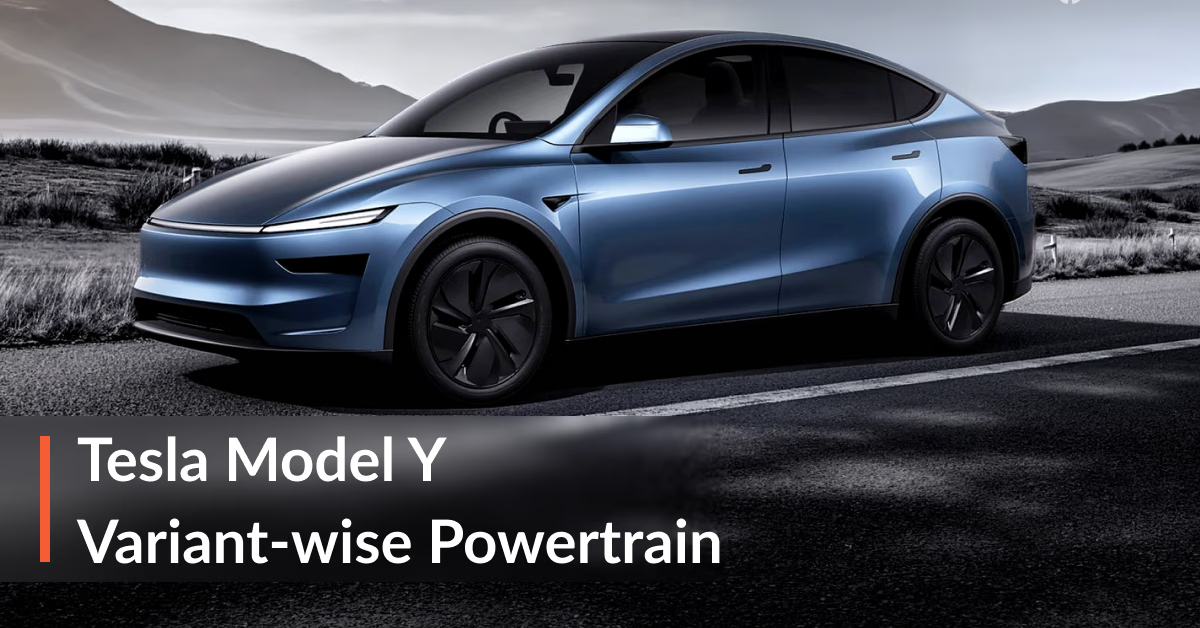
The electric vehicle market has transformed dramatically over the past few years, and Tesla remains one of the biggest names leading this change. Among its most successful models worldwide, the Tesla Model Y has become a popular choice because it combines SUV practicality, advanced technology, long driving range, and strong performance in one package.
Unlike traditional petrol or diesel vehicles that mainly differ in engine size and fuel efficiency, electric vehicles are largely differentiated by battery packs, motor setups, power output, and range capabilities. Tesla follows a similar approach by offering multiple variants of the Model Y, each designed to target different types of buyers.
Some buyers prioritize maximum driving range, while others focus on performance and acceleration. Certain customers may simply want a premium electric SUV experience with balanced features and affordability.
Understanding the powertrain options becomes important before choosing the right Model Y variant. This guide explains every major powertrain setup and what buyers can expect from each version.
Understanding Electric Vehicle Powertrains
Before comparing Model Y variants, it is useful to understand what an EV powertrain includes.
Unlike conventional vehicles that rely on internal combustion engines, electric vehicles use:
- Battery packs
- Electric motors
- Power electronics
- Charging systems
- Energy management software
Together, these components determine:
- Driving range
- Acceleration performance
- Charging speed
- Energy efficiency
- Overall driving experience
Tesla has become known for optimizing these systems effectively.
Tesla Model Y Rear-Wheel Drive Variant
The Rear-Wheel Drive version serves as the entry point in the Model Y lineup.
This variant focuses on:
- Balanced performance
- Efficient range
- Everyday practicality
- Lower ownership cost
Powertrain Setup
Expected configuration:
- Single electric motor
- Rear-wheel-drive system
- High-efficiency battery pack
Unlike dual-motor setups, this configuration uses one motor to drive the rear wheels.
Performance Characteristics
Expected strengths include:
- Smooth acceleration
- Better energy efficiency
- Comfortable daily driving
- Lower battery consumption
This version is designed primarily for urban commuters and families.
Driving Range Expectations
One of the major advantages of this setup is improved efficiency.
Expected range:
- Around 450–500 km depending on conditions
Actual range may vary based on:
- Driving style
- Traffic conditions
- Weather
- Terrain
- Vehicle load
Who Should Buy It?
The Rear-Wheel Drive version may suit:
- First-time EV buyers
- City users
- Daily commuters
- Customers prioritizing affordability
Tesla Model Y Long Range Variant
The Long Range model is often considered one of the most practical choices because it balances performance and efficiency.
Powertrain Setup
Expected configuration:
- Dual electric motors
- All-wheel-drive system
- Larger battery capacity
Two motors allow power distribution between the front and rear wheels.
Advantages Of Dual Motors
Benefits include:
- Better traction
- Improved acceleration
- Increased stability
- Stronger road grip
- Better performance in varying road conditions
The all-wheel-drive system also enhances confidence during difficult driving situations.
Range Expectations
The Long Range variant focuses heavily on maximizing distance.
Expected driving range:
- Around 550–600 km
This larger range reduces charging frequency and increases convenience for long-distance users.
Performance Expectations
Expected acceleration:
- Strong and immediate response
- Faster overtaking capability
- Smooth highway performance
Who Should Buy It?
The Long Range model suits:
- Highway travelers
- Family buyers
- Frequent long-distance drivers
- Buyers prioritizing battery range
Tesla Model Y Performance Variant
The Performance version targets customers looking for stronger acceleration and sporty driving characteristics.
Powertrain Setup
Expected configuration:
- Dual electric motors
- Performance-tuned all-wheel-drive system
- Enhanced battery management software
Tesla adjusts software and motor output to prioritize speed and responsiveness.
Performance Highlights
Expected features:
- Higher power delivery
- Faster acceleration
- Sportier tuning
- Performance-focused setup
Electric vehicles deliver instant torque, making acceleration feel extremely quick.
Acceleration Capability
Expected performance:
- 0–100 km/h in around 3–4 seconds
This level of acceleration places it close to many high-performance sports vehicles.
Suspension And Handling Upgrades
The Performance model may also include:
- Larger wheels
- Sport-tuned suspension
- Enhanced braking systems
- Performance software settings
Range Expectations
Because performance receives greater focus, range can reduce slightly.
Expected range:
- Around 500–540 km
Who Should Buy It?
Performance variants may suit:
- Driving enthusiasts
- Technology lovers
- Buyers wanting rapid acceleration
- Customers seeking premium performance
Battery Technology Across Variants
Battery technology forms the heart of every electric vehicle.
Tesla continuously improves:
- Battery efficiency
- Charging capability
- Thermal management
- Energy density
Expected battery characteristics include:
High Energy Density
This allows:
- Longer range
- Better efficiency
- Reduced charging frequency
Advanced Thermal Management
Battery temperatures significantly affect performance.
Tesla uses systems designed to:
- Maintain optimal temperatures
- Improve charging performance
- Increase battery lifespan
Software Optimization
Tesla software helps:
- Manage energy usage
- Improve efficiency
- Monitor battery health
Charging Capabilities
Charging speed remains a major consideration for EV buyers.
Expected charging support includes:
Fast Charging
Benefits:
- Reduced charging time
- Better travel convenience
- Faster battery replenishment
Home Charging
Advantages:
- Overnight charging convenience
- Daily usability
- Lower charging stress
Smart Charging Management
Software functions may include:
- Charging schedules
- Battery monitoring
- Energy optimization
Driving Experience Differences Between Variants
Rear-Wheel Drive Experience
Characteristics:
- Balanced handling
- Comfortable ride
- Efficient daily usability
Long Range Experience
Characteristics:
- Better stability
- Smooth acceleration
- Strong long-distance performance
Performance Variant Experience
Characteristics:
- Immediate acceleration
- Aggressive response
- Sportier personality
Each variant delivers a slightly different driving experience.
Which Variant Offers Best Value?
Value depends entirely on buyer priorities.
Best For Affordability
Rear-Wheel Drive
Reasons:
- Lower cost
- Good range
- Practical daily use
Best For Overall Balance
Long Range
Reasons:
- Excellent range
- Strong performance
- Practical family usage
Best For Performance
Performance Variant
Reasons:
- Faster acceleration
- Sportier driving
- Premium experience
Future Of Tesla Powertrains
Tesla continues investing heavily in:
- Battery development
- Software improvements
- Charging technologies
- Motor efficiency
Future updates may introduce:
- Better range
- Faster charging
- More efficient batteries
- Enhanced driving systems
The company’s software-driven approach allows improvements even after vehicle purchase.
Final Verdict
The Tesla Model Y lineup offers multiple powertrain options designed for different customer needs. The Rear-Wheel Drive variant focuses on affordability and efficiency, the Long Range version balances performance with practicality, and the Performance model targets buyers seeking maximum excitement.
Understanding powertrain differences helps buyers select a variant that matches their lifestyle and driving habits.
Whether the priority is long-distance travel, daily commuting, family practicality, or performance-focused driving, Tesla has structured the Model Y lineup to provide a suitable option for different types of customers.
The Model Y continues to demonstrate how electric SUVs can combine technology, performance, comfort, and practicality into a single modern package.