
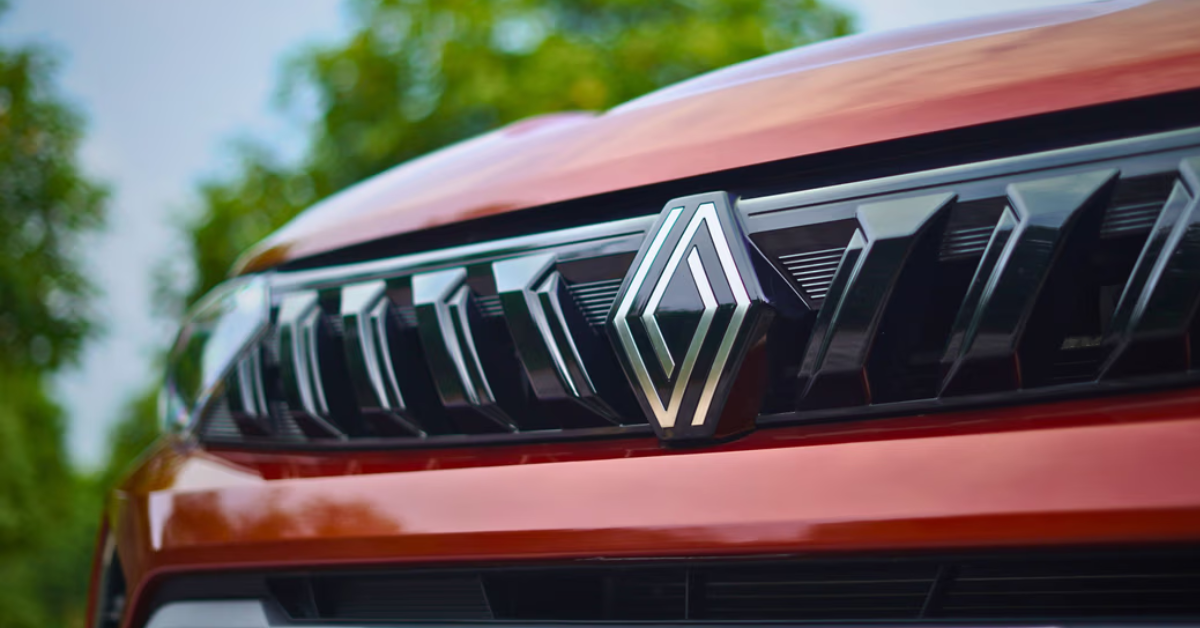
The Indian automotive industry is entering a transformative decade, and Renault is positioning itself at the center of this evolution. With plans to introduce seven new vehicles in India by 2030, the French automaker is signaling a strong commitment to one of the world’s fastest-growing car markets.
This ambitious roadmap is not just about expanding product offerings—it reflects a deeper strategy aimed at capturing market share, adapting to changing consumer preferences, and aligning with the global shift toward electrification and sustainability.
Renault’s Renewed Focus on India
India has always been a key market for Renault, particularly in the budget and compact car segments. However, the upcoming plan to launch seven new vehicles indicates a shift toward a more diversified and future-ready portfolio.
The company is expected to focus on multiple segments, including:
- Compact hatchbacks
- Mid-size sedans
- Compact and mid-size SUVs
- Electric vehicles (EVs)
This diversification allows Renault to cater to a wider audience, from first-time car buyers to premium segment customers seeking advanced features and performance.
Why India Is a Strategic Priority
India’s automotive market offers immense growth potential due to several factors:
1. Rising Middle-Class Population
An expanding middle class with higher disposable income is driving demand for personal vehicles, especially in urban and semi-urban areas.
2. Increasing Demand for SUVs
SUVs have become the preferred choice for Indian consumers due to their versatility, road presence, and comfort.
3. Government Push for Electrification
Policies promoting electric mobility are encouraging automakers to invest in EV technology and infrastructure.
4. Digital and Connected Car Demand
Consumers are increasingly looking for smart features, including connected infotainment systems, AI-driven safety features, and app-based controls.
Renault’s 7-car strategy is designed to tap into all these trends simultaneously.
What to Expect from the Upcoming Lineup
While specific models have not been fully revealed, industry expectations suggest a well-balanced mix of innovation and practicality.
1. Next-Generation SUVs
SUVs are likely to dominate Renault’s future lineup. These models may include:
- Compact urban SUVs for city driving
- Mid-size SUVs targeting family buyers
- Premium SUVs with advanced technology and safety features
2. Affordable Electric Vehicles
Renault is expected to introduce budget-friendly EVs tailored for Indian conditions. These vehicles will likely focus on:
- Practical driving range
- Competitive pricing
- Low maintenance costs
3. Updated Hatchbacks and Sedans
Renault may also revamp its existing offerings with modern designs, improved fuel efficiency, and enhanced features.
Focus on Localization and Cost Efficiency
One of the key aspects of Renault’s strategy will be localization. By manufacturing vehicles and components within India, the company can:
- Reduce production costs
- Offer competitive pricing
- Minimize the impact of currency fluctuations
- Improve supply chain efficiency
Localization also supports faster delivery times and better after-sales service, both of which are crucial for customer satisfaction.
Technology and Innovation at the Core
Renault’s future vehicles are expected to incorporate cutting-edge technology, including:
Advanced Safety Features
- Multiple airbags
- Driver assistance systems
- Enhanced crash protection
Connected Car Technology
- Smartphone integration
- Real-time vehicle diagnostics
- Remote access features
Sustainable Engineering
- Hybrid and electric powertrains
- Eco-friendly materials
- Improved fuel efficiency
These innovations are not just about enhancing the driving experience—they are also key to meeting evolving regulatory standards.
Impact on the Indian Automotive Market
Renault’s expansion plan is likely to have a ripple effect across the industry.
1. Increased Competition
More models mean increased competition, which can benefit consumers through better pricing and more features.
2. Faster Innovation Cycle
Competitors may accelerate their own product development to keep up with Renault’s aggressive strategy.
3. Growth in EV Adoption
Renault’s focus on affordable EVs could play a significant role in increasing electric vehicle adoption in India.
Challenges Renault May Face
While the plan is ambitious, it is not without challenges:
1. Intense Market Competition
The Indian market is highly competitive, with both domestic and international players vying for market share.
2. Price Sensitivity
Indian consumers are extremely price-conscious, making it crucial to balance features and affordability.
3. Infrastructure for EVs
Limited charging infrastructure could slow down EV adoption, especially in smaller cities.
4. Regulatory Changes
Evolving emission norms and safety regulations require continuous adaptation.
Despite these challenges, Renault’s structured approach and global expertise position it well for long-term success.
Opportunities for Buyers
For consumers, Renault’s 7-car strategy brings several advantages:
More Choices
A wider range of vehicles across different price points and segments.
Better Technology
Access to advanced features that were previously limited to higher-end models.
Competitive Pricing
Increased competition often leads to better deals and value for money.
Future-Ready Vehicles
Options that align with upcoming trends such as electrification and connectivity.
Investment and Economic Impact
Renault’s expansion is not just beneficial for consumers—it also contributes to the broader economy.
- Job Creation: New manufacturing and R&D initiatives can generate employment opportunities.
- Supply Chain Growth: Increased demand for components supports local suppliers.
- Technological Development: Investment in EVs and innovation boosts the overall automotive ecosystem.
This aligns with India’s vision of becoming a global automotive hub.
The Road to 2030
The timeline leading up to 2030 gives Renault ample opportunity to refine its strategy, adapt to market feedback, and introduce vehicles that resonate with Indian consumers.
The success of this plan will depend on several factors:
- Timely product launches
- Competitive pricing strategies
- Strong dealership and service networks
- Effective marketing and brand positioning
If executed well, Renault could significantly strengthen its presence in India and emerge as a key player in both the mass-market and premium segments.
Final Thoughts
Renault’s plan to introduce seven new cars in India by 2030 is a bold and forward-looking move. It reflects confidence in the Indian market and a clear understanding of emerging trends such as SUV demand, electrification, and digital integration.
For consumers, this means more options, better technology, and increased value. For the industry, it signals heightened competition and faster innovation.
As the automotive landscape continues to evolve, Renault’s strategy could play a pivotal role in shaping the future of mobility in India. Whether you’re a first-time buyer or a seasoned car enthusiast, the coming years promise exciting developments worth watching closely.