
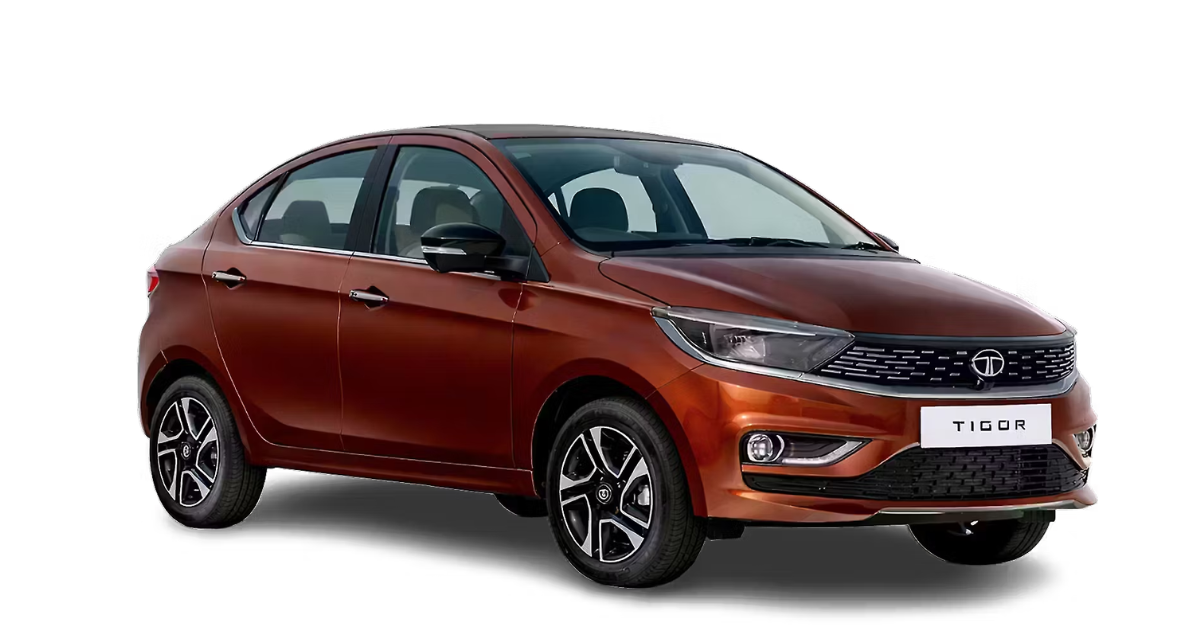
Tata Motors has been steadily refreshing its passenger vehicle lineup, and now the spotlight is turning toward one of its most practical compact sedans—the Tata Tigor. The latest rendered images of the New Tata Tigor Facelift have sparked plenty of excitement among car buyers who want sedan comfort, strong mileage, useful features and a stylish design without stretching the budget too much. While compact SUVs continue to dominate the Indian market, there is still a strong audience for value-packed compact sedans, especially among family buyers, office commuters, and people looking for a comfortable city-and-highway car with a proper boot.
The newly rendered Tata Tigor facelift hints at a more premium and sharper design language, likely inspired by Tata’s recent styling updates seen on its other models. If Tata follows the same strategy with the Tigor, the facelift could bring meaningful cosmetic changes on the outside, a cleaner and more modern cabin, upgraded technology, and a stronger value proposition in the sub-4-metre sedan segment.
In this blog, let’s take a detailed look at what the New Tata Tigor Facelift Rendered model could offer, what design changes are expected, how the cabin may evolve, what engine options may continue, expected features, likely price range, and why this update matters for buyers in 2026.
Why the Tata Tigor Facelift Matters in 2026
The Tata Tigor has always been positioned as a practical compact sedan for buyers who want more than a hatchback. It offers the convenience of a separate boot, decent rear-seat comfort, solid road presence, and Tata’s focus on safety. Over the years, the Tigor has built a reputation as a sensible option for families and city users who prefer sedan styling over SUV bulk.
However, the market has become far more competitive. Buyers now expect more premium design, larger touchscreens, connected features, better cabin quality, and a modern look even in budget-friendly cars. This is exactly where the Tata Tigor facelift becomes important. A strong mid-cycle update can help Tata keep the Tigor relevant against rivals and attract fresh buyers who may otherwise move toward hatchbacks or entry-level SUVs.
The rendered version of the new Tigor suggests Tata is planning to make the sedan look more in line with its latest family design language. That alone can significantly improve its appeal because design plays a huge role in the buying decision today.
New Tata Tigor Facelift Rendered Design: What Could Change?
The biggest talking point around the Tata Tigor facelift is its expected design transformation. Based on the latest rendered visuals and Tata’s recent styling direction, the new Tigor may get a more modern, mature and premium appearance than the outgoing model.
1. Sharper Front Fascia
The front section is expected to see the most noticeable changes. Tata could redesign the grille, bumper and headlamp setup to give the Tigor a much more contemporary face. The rendered version suggests sleeker headlamps, a revised grille pattern and a bolder bumper design. This could instantly make the Tigor look less conservative and more youthful.
A sharper nose will help the car stand out better in traffic and also align it with Tata’s newer design philosophy. The updated front bumper may include fresh detailing around the fog lamp area, while the grille could receive gloss-black or textured styling elements for a more premium feel.
2. Revised LED Lighting Signature
Lighting has become a major design element in modern cars, and Tata is likely to use it smartly in the facelifted Tigor. Expect updated headlamp graphics, LED DRLs on higher variants and possibly revised tail-lamp detailing at the rear. Even small changes in the lighting signature can make the car look far more modern and upmarket.
3. New Alloy Wheel Design
A facelift often brings fresh alloy wheels, and the Tigor is expected to get new dual-tone wheel designs on top variants. This may seem like a minor update, but wheels significantly influence the overall road presence of a car. A more stylish alloy design can make the sedan look sportier and more expensive than before.
4. Refreshed Rear Styling
The rear section of the Tigor may also get subtle updates, including a revised bumper and updated tail-lamp detailing. Tata could choose to sharpen the rear profile without changing the overall silhouette too much. Since the Tigor already has a balanced sedan-like shape, the facelift may focus on improving visual sophistication rather than altering the body form dramatically.
Cabin Expectations: More Modern, More Feature-Rich
If the exterior gets a visible makeover, the cabin is where Tata can make the biggest impact for buyers. Today’s customers expect their car interiors to feel tech-rich, practical and premium even in the affordable segment. The Tata Tigor facelift is likely to focus heavily on this area.
1. Updated Dashboard Layout
The current Tigor’s dashboard is functional, but the facelift could bring a cleaner and more modern layout. Tata may introduce a redesigned center console, refreshed AC vent styling, new trim inserts and a more premium finish across the dashboard. The goal will likely be to make the cabin feel more in line with Tata’s latest generation cars.
2. Bigger Touchscreen Infotainment System
One of the most expected upgrades is a larger touchscreen infotainment system. Tata has been improving its infotainment experience across the range, and the facelifted Tigor could benefit from a more responsive display with smartphone connectivity features like wireless Android Auto and Apple CarPlay on higher trims.
A larger screen immediately boosts cabin appeal and also gives the car a more modern, tech-focused character. Buyers in this segment now actively compare screen size, interface quality and connectivity options before making a decision.
3. Digital Instrument Cluster
Another likely improvement is a digital or semi-digital instrument cluster. This would be a strong addition because it improves the overall premium feel and provides a more modern user experience. Even if Tata doesn’t go for a fully digital setup on every variant, top trims could get a much more sophisticated driver display than the current model.
4. Better Upholstery and Interior Theme
The facelift may also bring a new seat fabric design, a fresh dual-tone interior theme and improved material finishes. This is an important upgrade because cabin ambience plays a big role in long-term ownership satisfaction. A brighter, more premium cabin can make the Tigor feel far more special, especially for family buyers who use the car daily.
Expected Features in the New Tata Tigor Facelift
Tata is likely to use the facelift as an opportunity to strengthen the Tigor’s feature list. That’s necessary because compact car buyers today want more convenience and safety features without moving to a much higher budget.
Here are some expected features in the new Tata Tigor facelift:
- Larger touchscreen infotainment system
- Wireless Android Auto and Apple CarPlay
- Updated digital instrument display
- Automatic climate control
- Push-button start/stop
- Rear parking camera with sensors
- Steering-mounted controls
- Connected car features on top variants
- Auto-fold ORVMs
- USB charging options for front passengers
- Premium seat upholstery and refreshed interior trim
If Tata wants to make the facelift more attractive, it could also improve practical touches like better storage spaces, upgraded rear-seat comfort, and improved cabin insulation.
Safety Could Remain a Strong Selling Point
Tata has built a strong reputation around safety, and that is one area where the Tigor facelift is expected to continue performing well. Buyers increasingly look at safety not as an optional extra but as a core buying factor. This is especially true for family car buyers, who form a major chunk of the Tigor’s audience.
The updated Tigor is expected to continue offering a solid safety package with features such as:
- Dual airbags as standard or multiple airbags in higher variants
- ABS with EBD
- Rear parking sensors and camera
- Seat belt reminders
- Electronic stability-related aids depending on variant strategy
- Strong body structure and solid build feel
If Tata decides to add more safety features in higher trims, it could further improve the car’s appeal in a segment where safety is becoming a major differentiator.
Engine and Mileage: What Will Likely Stay the Same?
While the facelift may bring major cosmetic and feature updates, the mechanical package is likely to remain familiar. Tata may continue with the tried-and-tested petrol engine setup that currently powers the Tigor. This makes sense because facelifts usually focus more on design, cabin and features rather than complete powertrain changes.
The new Tata Tigor facelift is expected to continue with a petrol engine that balances everyday drivability, city comfort and fuel efficiency. Tata could also continue offering CNG options, which would be a major plus for mileage-focused buyers and commercial or heavy-usage customers.
Why the Existing Engine Strategy Still Works
For most Tigor buyers, the priority is not outright performance but affordability, low running costs, smooth urban driving and manageable maintenance. If Tata fine-tunes the engine response, NVH levels and gearbox calibration slightly, even without a brand-new engine, the facelift can still feel like a meaningful upgrade.
Expected Mileage Appeal
Mileage will remain one of the Tigor’s strongest selling points. The petrol version is likely to target practical daily efficiency, while the CNG version can continue to attract buyers who want lower running costs. In a market where fuel prices remain an important concern, Tata will almost certainly continue pushing the Tigor as a value-focused sedan with sensible ownership economics.
Expected Price of the Tata Tigor Facelift
Pricing will play a crucial role in the success of the facelift. Tata will need to strike a balance between premium upgrades and value positioning. Since the Tigor competes in a price-sensitive space, the facelift cannot become too expensive. At the same time, if the car gets a significantly improved design and better equipment list, a slight premium over the outgoing version would be understandable.
The Tata Tigor facelift is expected to stay in the affordable compact sedan bracket, with Tata likely offering multiple variants to target a wide range of buyers—from budget-focused private owners to family users and CNG customers.
If priced smartly, the facelift could strengthen Tata’s position among buyers who want:
- A sedan under a reasonable budget
- Better boot space than a hatchback
- More premium design without entering SUV pricing territory
- A city-friendly car with occasional highway comfort
- Lower running costs through petrol or CNG options
Who Should Consider the New Tata Tigor Facelift?
The Tata Tigor facelift could be a strong fit for several kinds of buyers:
1. Family Buyers
People looking for a practical second car or a primary family car with a separate boot, decent comfort and safety-oriented packaging may find the new Tigor appealing.
2. Office Commuters
Those who drive daily in city traffic but still want sedan comfort and good mileage can see the facelifted Tigor as a sensible long-term option.
3. Budget-Conscious Sedan Buyers
If you don’t want an entry-level hatchback and also don’t want to spend SUV money, the Tigor can sit in a sweet spot between affordability and desirability.
4. CNG-Focused Users
If Tata continues the CNG lineup in the facelift, it will remain a strong option for users who cover long monthly distances and want better running economics.
Final Verdict
The New Tata Tigor Facelift Rendered model suggests that Tata is preparing to give its compact sedan a much-needed visual and feature upgrade. The Tigor has always been a practical and sensible product, but in 2026, practicality alone is not enough. Buyers want style, technology, comfort and a premium feel even in budget-friendly cars. That is exactly why this facelift matters.
If Tata successfully brings sharper styling, a fresher cabin, upgraded infotainment, useful connected features and retains the sedan’s value-for-money positioning, the new Tigor could become one of the most interesting compact sedans in its segment. It may not try to reinvent the formula completely, but a well-executed facelift can make it feel modern, desirable and more competitive.
For buyers who still believe a compact sedan makes more sense than a small hatchback or an expensive SUV, the Tata Tigor facelift could be worth waiting for. It has the potential to combine affordability, design, practicality and everyday usability in one smart package—exactly what many Indian car buyers still want from a budget sedan.