
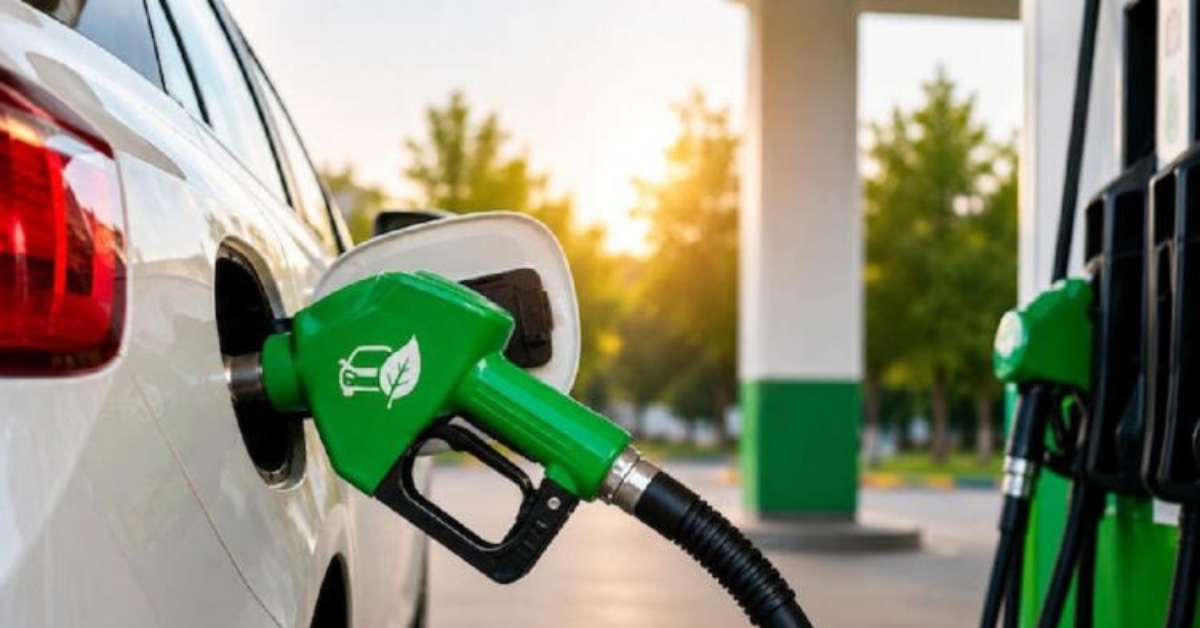
India is rapidly moving toward cleaner and more sustainable fuel technologies, and the latest step in this direction is the notification of E22 and E30 petrol ethanol blend standards. This development marks a major shift in the country’s fuel strategy and could significantly impact future petrol vehicles, fuel economy, emissions, and automobile technology.
The government has already been aggressively promoting ethanol blending in petrol over the past few years. The introduction of higher ethanol blends such as E22 and E30 signals India’s long-term intention to reduce fuel imports, improve energy security, lower emissions, and promote alternative fuel adoption.
While ethanol-blended fuel may sound highly technical, it directly affects millions of vehicle owners across India. From mileage and engine compatibility to maintenance and fuel pricing, these new standards are expected to influence the future of petrol-powered mobility.
Here’s a detailed breakdown of everything you need to know about E22 and E30 petrol ethanol blend standards.
What Is Ethanol-Blended Petrol?
Ethanol-blended petrol is a mixture of conventional petrol and ethanol fuel.
Ethanol is a type of alcohol-based biofuel usually produced from:
- Sugarcane
- Corn
- Agricultural waste
- Biomass materials
The blending percentage determines how much ethanol is mixed into regular petrol.
For example:
- E10 = 10% ethanol + 90% petrol
- E20 = 20% ethanol + 80% petrol
- E22 = 22% ethanol + 78% petrol
- E30 = 30% ethanol + 70% petrol
India has already expanded E20 fuel distribution in many regions, and now E22 and E30 standards are preparing the country for even higher ethanol usage.
Why Is India Promoting Ethanol Fuel?
There are several major reasons behind India’s push toward ethanol blending.
Reducing Oil Imports
India imports a massive amount of crude oil every year.
Higher ethanol blending helps reduce dependency on imported fossil fuels.
This improves:
- Energy security
- Foreign exchange savings
- Fuel diversification
Lower Vehicle Emissions
Ethanol fuel burns cleaner compared to conventional petrol.
Benefits include:
- Reduced carbon emissions
- Lower pollution levels
- Cleaner combustion process
This supports India’s environmental and sustainability goals.
Supporting Farmers & Agriculture
Ethanol production creates additional demand for agricultural products such as sugarcane and corn.
This may help:
- Farmers earn better income
- Increase rural economic activity
- Strengthen biofuel industries
Promoting Green Mobility
Ethanol is considered a renewable fuel source.
Unlike fossil fuels, biofuels can be replenished through agriculture and biomass production.
This helps support long-term sustainable transportation.
What Do E22 & E30 Standards Mean?
The notification of E22 and E30 standards means that fuel infrastructure and future vehicles are now being prepared for higher ethanol blends.
These standards define:
- Fuel composition
- Chemical properties
- Vehicle compatibility requirements
- Engine performance benchmarks
- Fuel safety regulations
Automobile manufacturers will gradually adapt engines and fuel systems for compatibility with these higher ethanol blends.
How E22 & E30 Fuel May Affect Cars
The shift toward higher ethanol content directly impacts vehicle engineering.
Modern engines need to be calibrated differently to handle increased ethanol concentrations.
Engine Compatibility
Higher ethanol blends require:
- Corrosion-resistant fuel lines
- Ethanol-compatible rubber components
- Updated fuel injectors
- Revised engine calibration
Older vehicles may not always be fully compatible with higher ethanol percentages.
New-generation vehicles are expected to become more ethanol-ready.
Fuel Efficiency Impact
One of the biggest discussions around ethanol fuel is mileage.
Ethanol contains lower energy density compared to petrol.
This means:
- Fuel economy may slightly reduce
- Vehicles may consume more fuel for the same distance
Higher blends like E22 and E30 may lead to marginal mileage drops compared to pure petrol.
However, improved engine tuning can help reduce the impact.
Better Combustion Characteristics
Despite slightly lower energy density, ethanol offers cleaner combustion.
Advantages include:
- Better octane rating
- Reduced knocking
- Smoother combustion
- Cleaner engine operation
Performance-oriented engines can benefit from ethanol’s higher octane properties.
Impact On Engine Performance
Modern engines designed for higher ethanol blends may deliver:
- Smoother acceleration
- Improved combustion efficiency
- Reduced engine deposits
However, poorly adapted engines may face:
- Cold start issues
- Fuel system wear
- Reduced efficiency
This is why compatibility becomes extremely important.
Which Vehicles Will Support E22 & E30?
Most future petrol vehicles are expected to become increasingly ethanol-compatible.
Manufacturers are already preparing:
- Flex-fuel engines
- Ethanol-resistant fuel systems
- Updated ECU calibration
Many newer cars are already compatible with E20 fuel.
Future models could gradually expand support for E22 and E30.
Flex-Fuel Vehicles Explained
Flex-fuel vehicles are specially designed to run on multiple fuel blends.
These vehicles can automatically adjust engine operation depending on ethanol concentration.
Advantages include:
- Better fuel flexibility
- Reduced fuel dependency
- Improved environmental benefits
India may see more flex-fuel vehicles in coming years.
Will Existing Cars Need Modifications?
Not all older vehicles may safely support higher ethanol blends.
Potential concerns include:
- Fuel hose degradation
- Corrosion issues
- Injector wear
- Seal damage
Vehicle owners may need to check manufacturer recommendations before using higher ethanol fuels.
New-generation vehicles will likely handle these blends more efficiently.
Fuel Prices & Cost Benefits
One important reason for ethanol blending is cost optimization.
Since ethanol can be produced domestically, it may help:
- Reduce fuel import costs
- Stabilize fuel supply
- Improve long-term fuel affordability
However, final fuel pricing will still depend on multiple market factors.
Environmental Benefits Of Ethanol Fuel
The environmental advantages remain one of the biggest reasons behind ethanol adoption.
Benefits include:
- Reduced greenhouse gas emissions
- Lower carbon footprint
- Cleaner urban air quality
- Reduced fossil fuel dependence
Higher ethanol usage may play an important role in India’s long-term climate goals.
Challenges With Higher Ethanol Blends
Despite the benefits, higher ethanol adoption also presents challenges.
Infrastructure Readiness
Fuel stations and supply chains need upgrades to handle higher ethanol blends safely.
This includes:
- Storage systems
- Transportation infrastructure
- Fuel dispensing equipment
Vehicle Adaptation
Automakers must redesign engines and fuel systems for long-term durability.
This requires:
- Research & development
- Manufacturing updates
- Testing & certification
Consumer Awareness
Many customers still do not fully understand ethanol fuel compatibility.
Awareness regarding:
- Vehicle support
- Mileage expectations
- Maintenance requirements
will become increasingly important.
How Automakers Are Preparing
Several car manufacturers are already developing ethanol-compatible and flex-fuel vehicles for India.
Future vehicles may feature:
- Revised engine mapping
- Ethanol-resistant components
- Improved combustion systems
Manufacturers are preparing for stricter emission norms and alternative fuel adoption simultaneously.
Ethanol vs Electric Vehicles
While EVs represent the long-term future of zero-emission mobility, ethanol offers a practical transition solution for countries heavily dependent on petrol vehicles.
Advantages of ethanol over EVs include:
- Easier infrastructure adaptation
- Lower transition costs
- Existing fuel station compatibility
- Faster nationwide implementation
India may continue using both technologies together during the transition phase.
Impact On The Indian Automobile Market
The notification of E22 and E30 standards could influence future automobile trends significantly.
Possible impacts include:
- Growth of flex-fuel technology
- Increased hybrid adoption
- Engine redesign strategies
- Fuel system innovation
Automakers may increasingly market ethanol compatibility as a major feature.
Why This Matters For Buyers
For regular vehicle buyers, these standards could influence:
- Future car purchases
- Fuel compatibility decisions
- Long-term ownership costs
- Mileage expectations
Buyers may gradually prioritize vehicles designed for higher ethanol compatibility.
Future Of Ethanol Fuel In India
India’s ethanol blending roadmap suggests that even higher blends could become more common over time.
The country appears focused on building a diversified fuel ecosystem including:
- Ethanol
- Hybrid technology
- Electric vehicles
- Biofuels
- Alternative energy sources
This transition aims to reduce dependence on conventional fossil fuels while supporting sustainability goals.
Final Verdict
The notification of E22 and E30 petrol ethanol blend standards marks a major milestone in India’s automotive and fuel evolution. The move reflects the country’s long-term strategy to improve energy security, reduce emissions, support agriculture, and modernize transportation fuels.
While higher ethanol blends may bring slight mileage changes and require improved engine compatibility, they also offer cleaner combustion, reduced fuel imports, and long-term environmental benefits.
For automakers, the shift means accelerated development of ethanol-compatible engines and flex-fuel technology. For buyers, it signals an important transformation in the future of petrol-powered mobility.
As India moves toward cleaner transportation solutions, ethanol blending is expected to become a major pillar of the country’s evolving automotive ecosystem alongside hybrid and electric vehicle technologies.