
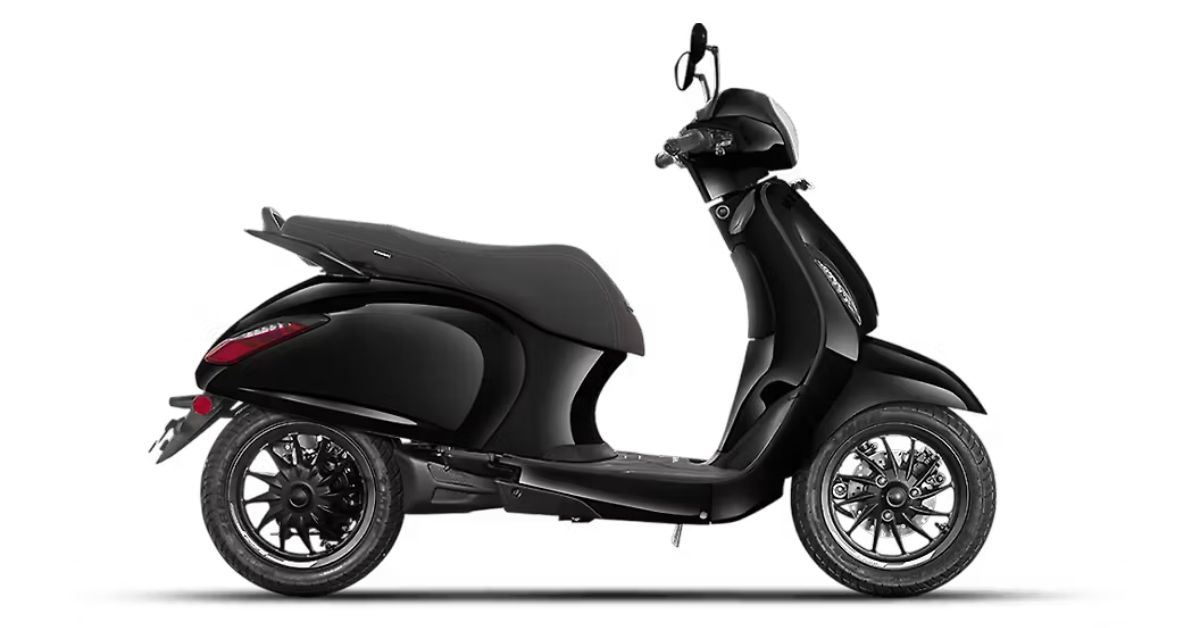
When Bajaj first introduced the Chetak decades ago, it quickly became a cultural symbol of mobility in India. Fast forward to today, the Bajaj Chetak Series 30 carries forward that legacy, but with a futuristic twist. This electric scooter is not just about nostalgia—it’s about sustainability, convenience, and smart technology. Priced competitively at ₹99,500 (ex-showroom), the Series 30 is designed to make electric mobility accessible without compromising on style or performance.
Key Highlights of the Bajaj Chetak Series 30
- Battery & Range: Equipped with a 3.0 kWh lithium-ion battery, the scooter delivers up to 127 km on a single charge, making it ideal for daily commutes.
- Charging: It supports fast charging—0 to 80% in just 3 hours 50 minutes with an off-board charger, while a full charge takes around 5 hours.
- Performance: Powered by a BLDC motor with 20 Nm torque, the scooter achieves a top speed of 63 km/h, sufficient for urban traffic.
- Design: A seamless blend of retro aesthetics and futuristic cues, the Chetak Series 30 retains the iconic curves of the original while adding modern touches like LED lighting and a coloured LCD display.
- Storage: With a 35-litre under-seat boot space, it offers ample room for groceries, helmets, or a gym bag.
Why the Chetak Series 30 Stands Out
1. Heritage Meets Innovation
The Chetak name carries emotional weight in India. Bajaj has cleverly retained the scooter’s classic silhouette while integrating smart features like ride data visualization, digital instrumentation, and efficient battery management systems. This makes the Series 30 not just a scooter, but a statement of modern mobility.
2. Eco-Friendly Urban Solution
With rising fuel costs and increasing environmental concerns, the Chetak Series 30 offers a zero-emission alternative. Its electric drivetrain ensures quiet rides, reduced carbon footprint, and lower running costs compared to petrol scooters.
3. Affordability & Accessibility
At under ₹1 lakh, the scooter is priced to attract middle-class buyers who want to transition to electric mobility. Bajaj also offers easy EMI options starting at ₹2,713 per month, making ownership more accessible.
4. Practicality for Daily Use
The 127 km range is more than sufficient for most urban riders, who typically travel 30–40 km per day. Combined with spacious storage and comfortable ergonomics, the Series 30 is built for real-world practicality.
Comparison with Competitors
| Feature | Bajaj Chetak Series 30 | Ola S1 Air | TVS iQube |
|---|---|---|---|
| Battery Capacity | 3.0 kWh | 2.7 kWh | 3.04 kWh |
| Range (per charge) | 127 km | 100 km | 120 km |
| Top Speed | 63 km/h | 85 km/h | 78 km/h |
| Price (Ex-showroom) | ₹99,500 | ₹1,09,999 | ₹1,06,000 |
| Storage Space | 35L | 34L | 30L |
Verdict: While Ola and TVS offer slightly higher speeds, the Bajaj Chetak Series 30 balances range, affordability, and heritage design, making it a strong contender in the EV scooter market.
Challenges & Considerations
- Charging Infrastructure: Although home charging is convenient, India’s public charging network is still developing. Riders may face limitations on long-distance travel.
- Top Speed: At 63 km/h, it’s slower than some competitors, which may deter speed enthusiasts.
- Availability: Currently, Bajaj is expanding its EV dealership network, but availability may vary across cities.
Conclusion
The Bajaj Chetak Series 30 is more than just an electric scooter—it’s a cultural revival with a sustainable twist. By combining retro styling, modern technology, and practical features, Bajaj has created a scooter that appeals to both nostalgic riders and eco-conscious millennials. For urban commuters in India, especially in cities like Vadodara, it offers a stylish, affordable, and eco-friendly way to navigate daily life.
If you’re looking for an EV that balances heritage, practicality, and affordability, the Bajaj Chetak Series 30 deserves serious consideration. It’s not just a scooter—it’s a movement towards a cleaner, smarter future.