
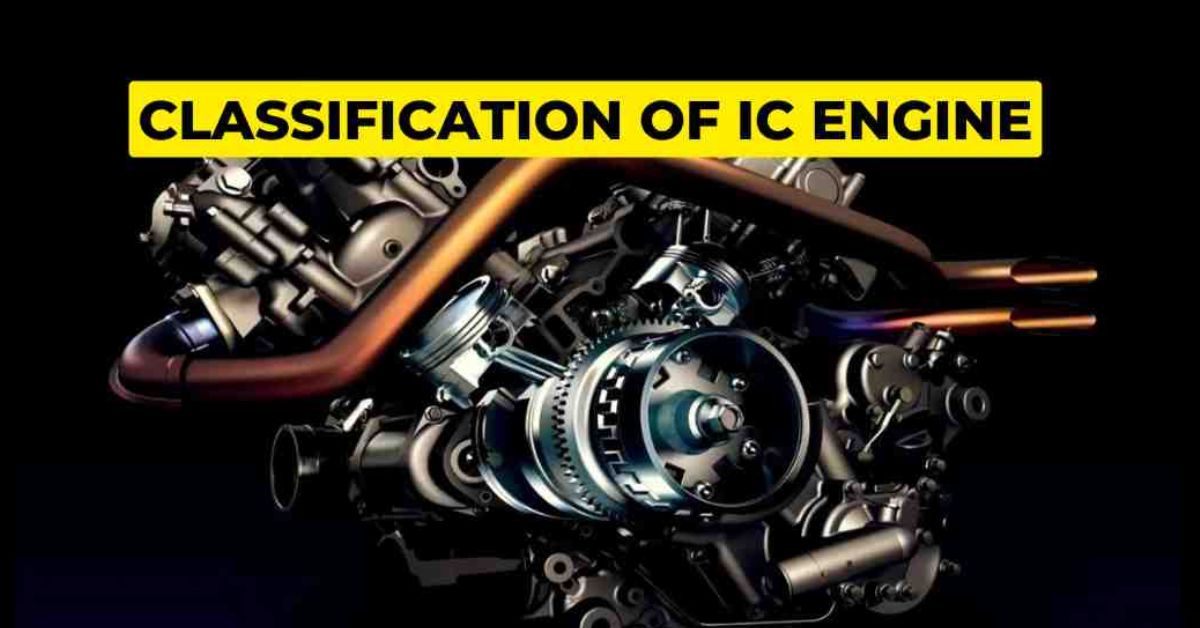
In an era where electric vehicles dominate headlines and hybrid technology is rapidly gaining traction, internal combustion (IC) engine SUVs continue to hold a significant place in the global automotive market. Despite the push toward electrification, these vehicles remain popular among consumers who value power, range, and familiarity. The story of IC-engined SUVs is not just about nostalgia—it’s about practicality, performance, and cultural identity.
Why IC-Engined SUVs Still Matter
SUVs powered by internal combustion engines have long been the backbone of family transport, adventure travel, and even luxury motoring. Their enduring popularity stems from several factors:
- Proven Technology: IC engines have been refined over more than a century, offering reliability and familiarity.
- Long Range: Unlike many EVs, IC SUVs can travel hundreds of kilometers on a single tank, with refueling taking minutes.
- Infrastructure Advantage: Fuel stations are ubiquitous, while charging networks are still developing in many regions.
- Performance: Large displacement engines deliver torque and power that appeal to enthusiasts and off-road adventurers.
For many buyers, these advantages outweigh the environmental concerns or government incentives pushing them toward electrification.
The SUV Phenomenon
SUVs themselves have become the dominant body style worldwide. From compact crossovers to full-size luxury models, the SUV format offers:
- High seating position for better visibility.
- Spacious interiors for families and cargo.
- Versatility across urban and rural environments.
IC-engined SUVs combine this practicality with the proven performance of petrol and diesel engines. Whether it’s a Toyota Fortuner in India, a Ford Explorer in the U.S., or a Land Rover Defender in Europe, these vehicles embody strength and reliability.
The Luxury Factor
Luxury automakers have also leaned heavily on IC-engined SUVs. Brands like BMW, Mercedes-Benz, and Audi continue to produce high-performance SUVs with powerful IC engines. Models such as the BMW X5 M or Mercedes-AMG GLE 63 showcase how IC technology can deliver exhilarating performance while maintaining comfort and sophistication.
For many buyers, the growl of a V6 or V8 engine is part of the luxury experience—something electric motors, despite their instant torque, cannot replicate.
Off-Road Heritage
One of the strongest arguments for IC-engined SUVs is their off-road capability. Vehicles like the Jeep Wrangler, Toyota Land Cruiser, and Ford Bronco rely on IC engines to deliver rugged performance in remote areas where charging infrastructure is nonexistent.
Diesel engines, in particular, remain popular in off-road SUVs due to their torque-rich nature and fuel efficiency. For adventurers exploring deserts, mountains, or rural landscapes, IC-engined SUVs remain the most practical choice.
Environmental Concerns and Transition
Of course, the dominance of IC-engined SUVs comes with challenges. These vehicles are often criticized for their fuel consumption and emissions. Governments worldwide are tightening regulations, and automakers are investing heavily in electrification.
Yet, the transition is gradual. In many developing markets, EV adoption is slow due to infrastructure and cost barriers. Here, IC SUVs continue to thrive, often with incremental improvements like turbocharging, hybrid assistance, and cleaner diesel technologies.
The Hybrid Bridge
Some manufacturers are offering hybrid SUVs as a middle ground. These vehicles combine IC engines with electric motors, reducing emissions while retaining long range and convenience. Toyota’s hybrid SUVs, for example, have gained popularity by offering efficiency without sacrificing practicality.
Still, for purists and those in regions with limited charging infrastructure, fully IC-powered SUVs remain the preferred option.
The Cultural Identity of SUVs
Beyond practicality, IC-engined SUVs carry cultural weight. In many countries, owning a large SUV is a status symbol, representing success, freedom, and adventure. The sound of an IC engine, the ritual of refueling, and the mechanical connection resonate deeply with drivers who grew up with these vehicles.
SUVs are not just machines—they are part of lifestyles, from family road trips to off-road expeditions.
Looking Ahead
The future of IC-engined SUVs is uncertain but not bleak. While electrification is inevitable, IC SUVs will likely remain relevant for at least another decade, especially in markets where infrastructure lags. Automakers are refining engines to meet stricter standards, and hybridization offers a bridge to full electrification.
Ultimately, IC-engined SUVs represent a chapter in automotive history that refuses to close quietly. They continue to deliver power, practicality, and personality in ways that resonate with millions of drivers worldwide.
Conclusion
Internal combustion SUVs may be facing pressure from electrification, but their appeal endures. They offer unmatched range, proven reliability, and cultural significance that electric vehicles are still striving to replicate. Whether as family haulers, luxury cruisers, or off-road warriors, IC-engined SUVs remain a vital part of the automotive landscape.