
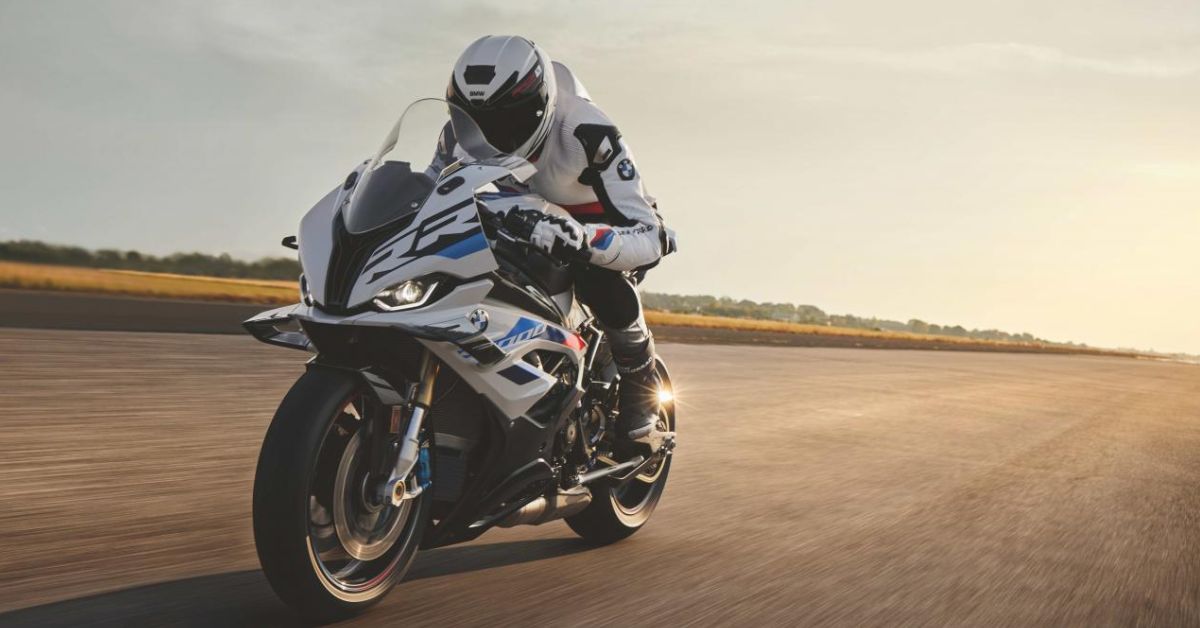
BMW Motorrad, the motorcycle division of the German luxury automaker, has announced that it will increase prices across its lineup by up to 6% starting January 2026. This move comes as part of the brand’s global strategy to adjust for rising input costs, currency fluctuations, and the growing demand for premium motorcycles. For enthusiasts and prospective buyers, the announcement raises important questions about affordability, value, and the future of BMW’s two-wheeled machines.
Why the Price Increase?
BMW Motorrad’s decision to raise prices is influenced by several factors:
- Rising production costs: Inflation and higher raw material prices have impacted manufacturing.
- Currency exchange pressures: Global operations mean BMW must adjust for fluctuations in the euro and other currencies.
- Technology investments: BMW continues to integrate advanced electronics, rider-assist systems, and sustainability-focused engineering into its bikes.
- Market positioning: As a premium brand, BMW aims to maintain exclusivity while balancing profitability.
This adjustment is not unique to BMW; many motorcycle manufacturers are revising their pricing strategies as the industry adapts to global economic realities.
Which Models Are Affected?
The price hike will apply across BMW Motorrad’s portfolio, including:
- Adventure bikes: The popular GS series, including the R 1250 GS and the new R 1300 GS.
- Sport bikes: The S 1000 RR and M 1000 RR, known for their track-ready performance.
- Touring models: The K 1600 GT and RT, designed for long-distance comfort.
- Urban mobility: Smaller displacement bikes like the G 310 R and G 310 GS, which are especially popular in markets like India.
While the increase is capped at 6%, the exact adjustment will vary by model and market. Entry-level bikes may see smaller hikes, while flagship models could approach the upper limit.
Impact on Riders
For riders, the price increase means recalibrating budgets and expectations.
- New buyers: Those considering entry-level BMW bikes may still find them competitive, but affordability will be tighter.
- Existing owners: Resale values may rise, as higher new-bike prices often strengthen the used market.
- Touring enthusiasts: Premium touring models will become more expensive, potentially pushing some riders toward alternatives.
- Adventure segment: The GS series remains iconic, but higher prices could open opportunities for rivals like Triumph, Ducati, and KTM.
BMW’s Strategy Moving Forward
BMW Motorrad is not just raising prices—it’s also investing heavily in the future of motorcycling.
- Electrification: The CE 04 electric scooter and upcoming electric motorcycles highlight BMW’s commitment to sustainable mobility.
- Technology: Features like adaptive cruise control, cornering ABS, and advanced connectivity are becoming standard.
- Luxury positioning: BMW aims to remain the benchmark for premium motorcycles, ensuring that higher prices are matched by innovation and quality.
Comparison: BMW vs Competitors
| Brand | Price Adjustment | Focus Area |
|---|---|---|
| BMW Motorrad | Up to 6% | Premium, electrification, advanced tech |
| Ducati | 4–5% | Performance, Italian design |
| Triumph | 3–4% | Heritage, adventure touring |
| KTM | 2–3% | Aggressive pricing, off-road focus |
Sources:
What This Means for the Market
The motorcycle industry is entering a phase where premium brands are becoming even more exclusive. BMW’s price hike reflects its confidence in loyal customers who value engineering excellence and brand prestige. However, it also creates opportunities for competitors to attract riders seeking more affordable alternatives.
For BMW enthusiasts, the increase may be a small price to pay for owning a machine that blends performance, technology, and luxury. For the broader market, it signals a shift toward higher costs across the industry.
Final Thoughts
BMW Motorrad’s decision to raise prices by up to 6% is both a challenge and an opportunity. While it may stretch budgets for some riders, it also reinforces BMW’s position as a premium motorcycle manufacturer committed to innovation and sustainability.
As the industry evolves, riders will need to weigh the value of advanced technology, electrification, and brand prestige against rising costs. For many, the allure of the BMW badge—and the experience of riding one of its finely crafted machines—will remain worth the investment.