
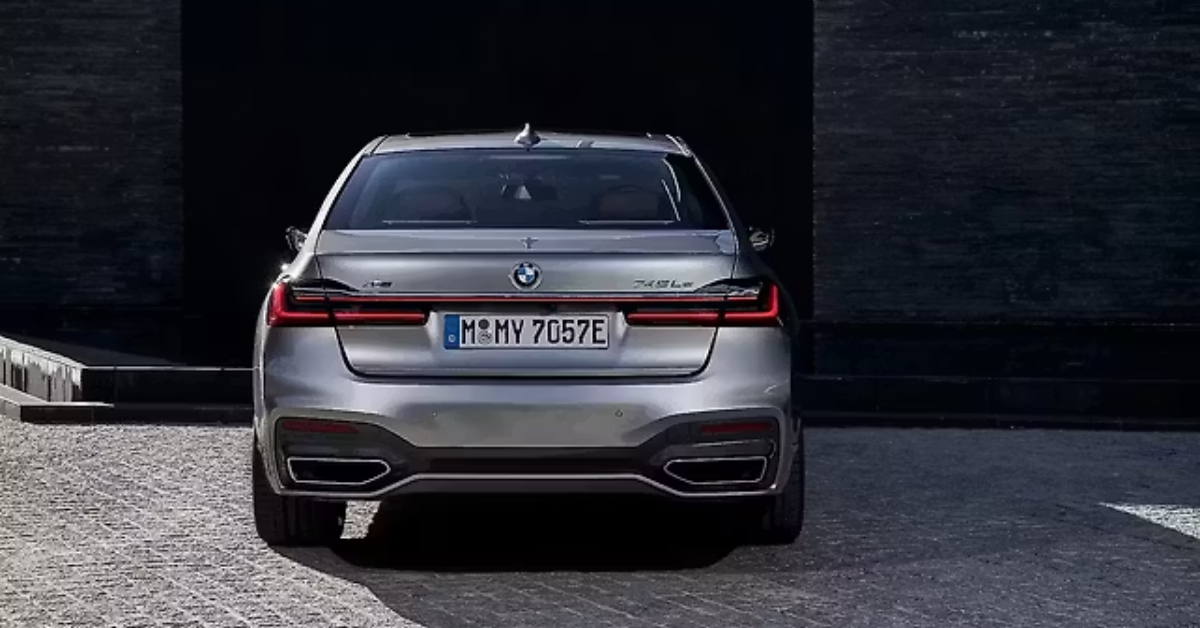
For years, people have noticed that modern cars are becoming larger. SUVs dominate roads, pickup trucks continue growing in size, and even hatchbacks today appear bigger than sedans from a decade ago. But there is another important transformation happening quietly across the automobile industry — cars are not only getting longer and taller, they are also becoming significantly wider.
From compact hatchbacks to luxury SUVs, vehicle width has increased dramatically over the past decade. This trend is changing how people drive, park, commute, and even how cities design roads and infrastructure.
Wider vehicles may improve comfort, stability, and road presence, but they also create new problems. Parking spaces feel tighter, traffic congestion becomes worse, narrow streets become harder to navigate, and urban infrastructure struggles to keep up with modern vehicle dimensions.
So why exactly are cars becoming wider? Is it a good thing or a growing problem? And what does this trend mean for future drivers and cities?
In this detailed blog, we explore the reasons behind increasing vehicle width, the advantages and disadvantages of wider cars, the impact on safety and urban planning, and why this issue is becoming more important than ever in 2026.
The Evolution of Modern Car Sizes
If you compare cars from the early 2000s with today’s vehicles, the size difference becomes immediately obvious.
A modern compact SUV today can be:
- Wider than older premium sedans
- Taller than previous-generation SUVs
- Heavier than older luxury cars
Even hatchbacks now offer:
- Wider cabins
- Larger wheel tracks
- Broader body structures
The shift is happening across almost every segment of the automobile market.
Why Are Cars Becoming Wider?
There is no single reason behind this trend. Instead, several factors are contributing to increasing vehicle width globally.
Safety Regulations Are Expanding Vehicle Dimensions
One of the biggest reasons modern cars are wider is safety.
Modern vehicles require:
- Larger crumple zones
- Side-impact protection structures
- Reinforced doors
- Multiple airbags
- Advanced safety systems
These additions increase overall body dimensions.
Manufacturers now design vehicles to meet stricter crash-test standards, and wider structures often provide better side-impact protection.
Wider Cars Improve Stability
A wider stance can improve:
- Cornering stability
- High-speed balance
- Rollover resistance
- Overall driving confidence
This is especially important for SUVs, which naturally sit higher off the ground.
As a result, manufacturers intentionally widen vehicles to improve stability and safety ratings.
Consumers Want Bigger and More Comfortable Cars
Buyer preferences have changed significantly over the years.
Modern consumers prioritize:
- Spacious interiors
- Wider seats
- Better shoulder room
- Larger storage areas
- More comfortable cabins
A wider car allows manufacturers to create:
- More spacious rear seating
- Larger center consoles
- Bigger infotainment layouts
- Improved cabin comfort
This demand for comfort is one of the biggest reasons modern vehicles continue expanding in width.
SUVs Have Changed the Market Completely
The global rise of SUVs has accelerated the trend toward wider vehicles.
SUV buyers expect:
- Strong road presence
- Muscular styling
- Larger wheel arches
- Wide-body appearance
- High seating position
To satisfy these expectations, manufacturers design SUVs with broader proportions.
Even compact SUVs today often feel wider than older full-size sedans.
Larger Wheels and Tires Require More Width
Modern vehicles increasingly feature:
- Bigger alloy wheels
- Wider tires
- Larger wheel arches
These changes improve:
- Grip
- Handling
- Styling
- Road presence
However, larger wheels and tires also increase vehicle width.
Many modern SUVs now use wide tire setups that were once limited to performance cars.
Electric Vehicles Are Also Becoming Wider
Interestingly, electric vehicles are contributing to this trend as well.
EV platforms require:
- Large battery packs
- Wider floor structures
- Improved aerodynamics
Manufacturers also use EVs to maximize cabin space, often resulting in broader vehicle designs.
As EV adoption increases globally, wider vehicles may become even more common.
The Advantages of Wider Cars
Although wider vehicles create some challenges, they also offer important benefits.
Improved Cabin Comfort
One of the biggest advantages of wider cars is interior comfort.
Wider cabins provide:
- Better shoulder room
- More spacious seating
- Improved rear passenger comfort
- Larger armrests
- More storage space
Families especially appreciate the extra cabin width during long drives.
Better Driving Stability
Wider vehicles generally feel more stable at higher speeds.
Benefits include:
- Reduced body roll
- Better cornering confidence
- Improved highway stability
- Enhanced driving control
This is especially beneficial for SUVs and crossovers.
Enhanced Road Presence
Many buyers simply prefer the commanding appearance of wide vehicles.
A wider stance gives cars:
- More aggressive styling
- Premium road presence
- Sportier proportions
- Stronger visual appeal
This psychological factor heavily influences purchasing decisions.
Better Safety Perception
Consumers often associate larger and wider vehicles with better safety.
Although real-world safety depends on many factors, wider vehicles may feel more protective to occupants.
This perception encourages manufacturers to continue increasing dimensions.
The Problems Created by Wider Cars
Despite their benefits, wider vehicles are creating serious urban and infrastructure challenges.
Parking Spaces Feel Too Small
One of the biggest complaints from drivers today is parking difficulty.
Many parking spaces were designed decades ago when cars were smaller.
Modern vehicles now:
- Barely fit within parking lines
- Leave minimal space for doors to open
- Create difficulties in malls and apartment parking areas
This issue is becoming especially problematic in crowded cities.
Narrow Roads Become Harder to Navigate
Many urban roads were not designed for today’s wider vehicles.
As cars become broader:
- Traffic movement becomes tighter
- Lane discipline becomes harder
- Narrow streets feel more congested
- Overtaking becomes riskier
Older cities with compact roads face the biggest challenges.
Traffic Congestion Gets Worse
Wider vehicles occupy more road space.
When roads are filled with large SUVs and wide crossovers:
- Traffic flow slows down
- Lane capacity effectively decreases
- Bottlenecks become worse
In densely populated urban regions, this trend can significantly increase congestion.
Pedestrian and Cyclist Safety Concerns
Large and wide vehicles may also create visibility issues.
Potential concerns include:
- Larger blind spots
- Reduced visibility for pedestrians
- Greater risk for cyclists and bikers
- Increased accident severity
Urban planners are increasingly debating how oversized vehicles affect road safety.
Fuel Efficiency and Environmental Impact
Wider vehicles are usually:
- Heavier
- Less aerodynamic
- More energy-consuming
This can negatively impact:
- Fuel economy
- Emissions
- Tire wear
- Overall environmental efficiency
Even electric vehicles become less efficient if they grow excessively large and heavy.
Why Small Cars Are Slowly Disappearing
As buyers continue preferring larger vehicles, manufacturers are gradually reducing investment in compact cars.
Reasons include:
- Higher profit margins on SUVs
- Consumer demand for larger vehicles
- Better safety packaging in bigger cars
- Global SUV popularity
This shift is making smaller city-friendly vehicles less common.
Urban Infrastructure Is Struggling to Adapt
Cities worldwide now face a major challenge:
Modern vehicles are growing faster than infrastructure can adapt.
Problems include:
- Outdated parking dimensions
- Narrow residential roads
- Smaller garages
- Congested urban layouts
Some cities may eventually need to redesign parking standards and traffic systems to accommodate larger vehicles.
Could Regulations Limit Vehicle Size in the Future?
As concerns increase, some experts believe governments may eventually introduce:
- Vehicle size restrictions
- Urban SUV taxes
- Parking-based taxation
- Weight-based registration systems
Several countries are already discussing how oversized vehicles affect:
- Traffic efficiency
- Road wear
- Public safety
- Environmental sustainability
Future regulations may encourage manufacturers to rethink vehicle dimensions.
Are Buyers Really Using All This Space?
Interestingly, many urban drivers rarely use the full capability of large vehicles.
Most daily driving involves:
- City commuting
- Office travel
- Grocery shopping
- School runs
Yet consumers continue purchasing larger and wider SUVs because of:
- Comfort
- Style
- Safety perception
- Social status
This psychological shift continues driving the market toward larger vehicles.
The Future of Vehicle Design
The automobile industry now faces a difficult balancing act.
Manufacturers must balance:
- Safety requirements
- Consumer expectations
- Urban practicality
- Environmental efficiency
Future vehicles may increasingly focus on:
- Smarter space utilization
- Better aerodynamics
- Compact EV platforms
- Urban mobility solutions
The goal may shift from simply making cars larger to making them more intelligently designed.
Final Verdict
Cars are no longer just getting bigger — they are becoming noticeably wider, and this trend is reshaping roads, cities, parking systems, and driving habits around the world.
Wider vehicles offer undeniable advantages such as improved comfort, stronger road presence, better stability, and enhanced cabin space. However, they also create growing challenges including parking difficulties, traffic congestion, infrastructure strain, and safety concerns in crowded urban environments.
As SUVs and electric vehicles continue dominating the automobile market, vehicle width is likely to increase even further in the coming years. This raises an important question for the future: how much bigger can cars realistically become before cities and infrastructure can no longer keep up?
The answer may ultimately shape the next generation of automobile design and urban transportation worldwide.