
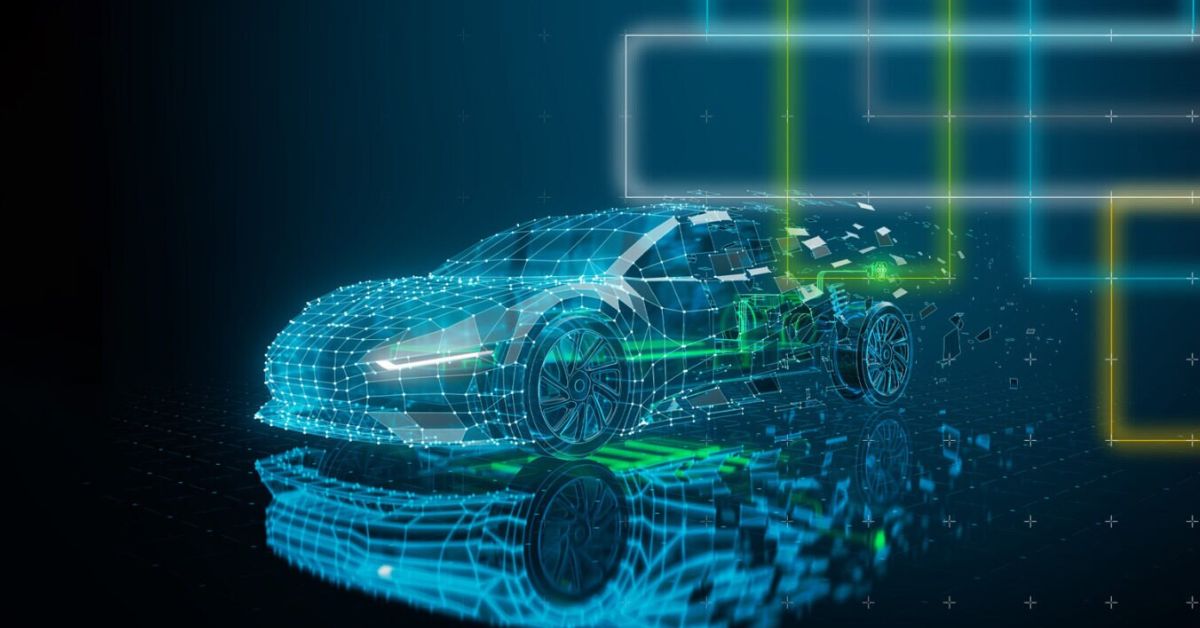
The automotive industry is undergoing a seismic shift. For over a century, cars were defined by their mechanical components—engines, transmissions, and hardware systems. Today, however, a new paradigm is emerging: Software-Defined Vehicles (SDVs). These vehicles are not just machines; they are digital platforms on wheels, capable of evolving long after they leave the showroom.
🚗 What Are Software-Defined Vehicles?
A software-defined vehicle is one where the majority of functions—performance, safety, comfort, and entertainment—are controlled by software rather than hardware. Think of it as a smartphone on wheels:
- Continuous updates: Features and improvements delivered wirelessly (OTA updates).
- Personalization: Drivers can customize driving modes, infotainment, and climate control.
- Smart controllers: Traditional mechanical parts are now governed by software modules.
- Integration: Cloud connectivity, AI, and machine learning enhance safety and user experience.
⚡ Key Features of SDVs
- Advanced Driver Assistance Systems (ADAS): Lane-keeping, adaptive cruise control, and collision avoidance.
- Predictive Diagnostics: Software monitors vehicle health and alerts drivers before issues arise.
- Infotainment Evolution: Seamless integration with smartphones, apps, and streaming services.
- Energy Management: Optimized battery usage in EVs through intelligent software.
- Cybersecurity Layers: Protecting vehicles from hacking and data breaches.
📊 Market Growth
India’s SDV market is expected to grow from $2.7 billion in 2025 to over $9 billion by 2030. Globally, automakers are shifting from being Original Equipment Manufacturers (OEMs) to Original Experience Manufacturers (OXMs), focusing on digital experiences as much as mechanical engineering.
| Region/Market | 2025 Value | 2030 Projection | Growth Driver |
|---|---|---|---|
| India | $2.7B | $9B | EV adoption, connectivity, startups |
| Global | $40B+ | $120B+ | AI, cloud, middleware innovations |
🌍 Why SDVs Matter
- User Experience: Cars become personalized digital ecosystems.
- Sustainability: Software optimizes energy use, reducing emissions.
- Safety: AI-driven features reduce accidents and human error.
- Economics: Automakers can monetize features via subscriptions and upgrades.
🔑 Industry Trends
According to industry reports:
- Service-Oriented Architectures (SOA): Vehicles are built on modular software platforms.
- Middleware Innovation: Companies like NIO and Changan are developing advanced operating systems (SkyOS, SDA middleware).
- Location Intelligence: Platforms like HERE Technologies are powering navigation and autonomous driving.
- AI Integration: Foundation models are being embedded into vehicle systems for predictive and adaptive driving.
⚠️ Challenges Ahead
While SDVs promise a revolution, challenges remain:
- Cybersecurity Risks: Cars connected to the cloud are vulnerable to hacking.
- High Development Costs: Building robust software platforms requires massive investment.
- Regulatory Frameworks: Governments must adapt safety and compliance standards.
- Consumer Adaptation: Drivers need to trust software-driven systems.
🏁 Conclusion
Software-defined vehicles represent the next frontier in automotive innovation. By shifting the focus from hardware to software, automakers are redefining what cars can do—making them safer, smarter, and more sustainable. For India, the SDV revolution offers immense opportunities, with the market set to triple by 2030.
As cars evolve into digital platforms, the line between mobility and technology blurs. The future of driving will not just be about horsepower or torque—it will be about software power, shaping experiences, safety, and sustainability for generations to come.