
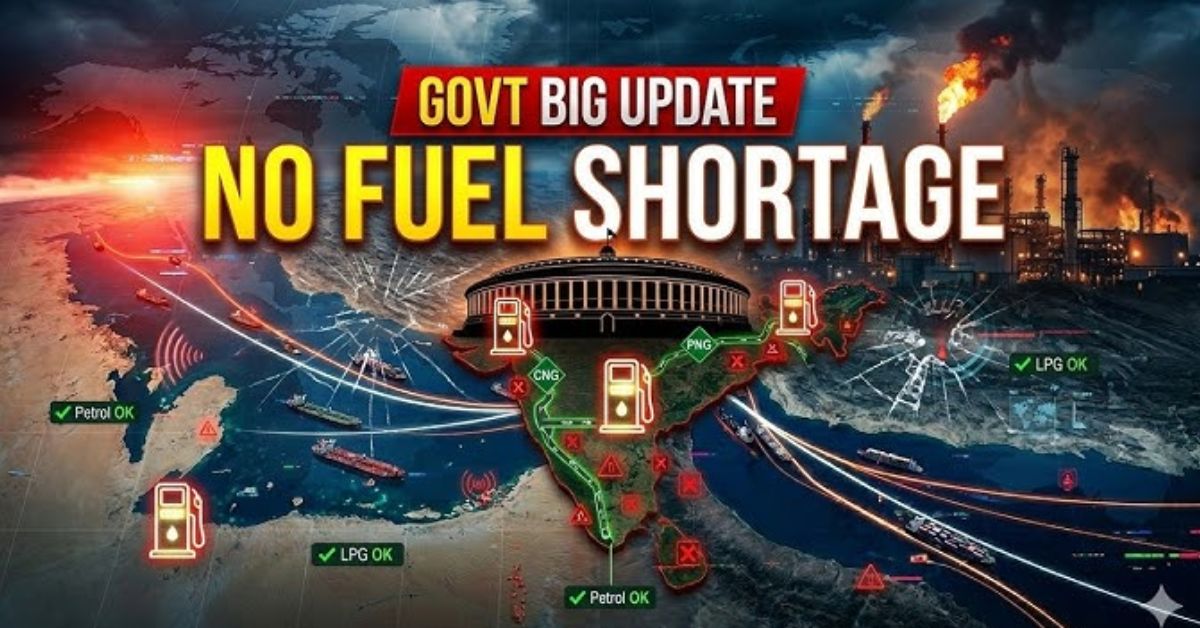
What’s happening now (quick facts)
- Official position: Indian Oil, BPCL and HPCL have denied any petrol/diesel shortage and urged the public to avoid panic buying.
- On‑ground behaviour: Panic buying and long queues were reported in several cities after rumours linked to the West Asia conflict; this created temporary local stock pressure at retail pumps.
- Primary risk driver: Global supply disruptions from geopolitical tensions can raise import costs and create logistical stress, even if domestic stocks remain adequate.
Direct impacts on the auto industry
1. Dealerships and showrooms
- Footfall volatility: Short queues at pumps reduce test‑ride willingness for petrol vehicles; conversely, panic buying can temporarily boost service visits for fuel‑related checks. Dealers must communicate stock and service availability proactively.
2. Fleet operators and logistics companies
- Operational disruption risk: Even short‑term pump congestion increases turnaround times and labour costs; fleets may need contingency routing and fuel buffers. Maintain 5–10% extra fuel reserves and pre‑arranged supplier contacts.
3. Aftermarket and service centres
- Demand shift: More customers may seek fuel‑system checks, battery health checks (for hybrids), and two‑wheeler servicing as people hoard fuel. Workshops should prepare for short, intense demand spikes.
4. EV adoption and perception
- Short‑term interest spike: Rumours and price volatility often accelerate consumer interest in electric vehicles as a hedge against fuel uncertainty. OEMs and dealers should highlight total cost of ownership and local charging options.
Strategic recommendations for industry stakeholders (actionable)
- Communicate clearly: Issue local advisories on fuel availability and service hours; use SMS/WhatsApp for customers in Surat Taluka and nearby service areas.
- Operational buffers: Keep 5–10% extra fuel for test vehicles and service fleets; stagger staff shifts to handle pump queues.
- Promote alternatives: Run short campaigns on EV test rides, car‑pooling, and service packages to convert anxiety into sales opportunities.
- Supply‑chain resilience: Coordinate with logistics partners to avoid single‑source fuel suppliers; map alternate pump locations to reduce downtime.
Risks and caveats
- Panic buying itself can create localized shortages even when national stocks are adequate—avoid amplifying rumours.
- Policy and price changes (subsidy shifts, export curbs) remain the biggest medium‑term risks; monitor official updates closely.