
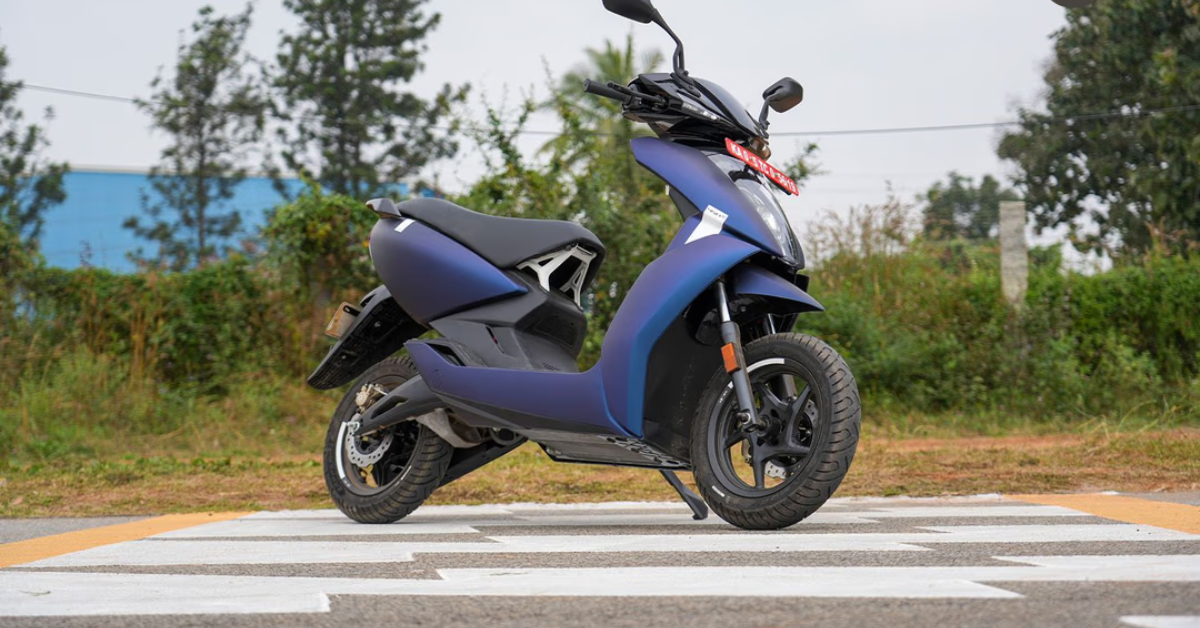
India’s electric two-wheeler market is evolving rapidly, with manufacturers constantly introducing new technologies to enhance convenience, safety, and the overall riding experience. While electric scooters initially gained popularity because of their lower running costs and eco-friendly nature, today’s consumers expect much more. Smart connectivity, digital interfaces, navigation tools, and advanced rider-assistance features have become increasingly important.
In a significant step toward the future of connected mobility, Ather has introduced voice command functionality for its electric scooters. This new feature aims to make riding more intuitive, safer, and convenient by allowing riders to interact with their scooters using simple voice instructions instead of manually operating controls while on the move.
The introduction of voice-enabled technology represents another milestone in the transformation of electric scooters from simple transportation devices into intelligent mobility platforms. As consumers embrace smart technologies in smartphones, homes, and automobiles, voice assistance is now becoming an important part of the two-wheeler experience as well.
Let’s take a detailed look at what Ather’s voice command functionality means, how it works, and why it could reshape the future of electric scooter ownership.
The Rise of Smart Electric Scooters
Electric scooters have evolved significantly over the past few years.
Initially, buyers focused primarily on:
- Battery range
- Charging time
- Purchase price
- Running costs
However, modern consumers increasingly evaluate vehicles based on technology and user experience.
Today’s riders expect features such as:
- Digital dashboards
- Smartphone connectivity
- Navigation systems
- Ride analytics
- Remote monitoring
- Over-the-air software updates
Voice command technology represents the next logical step in this evolution.
It brings the convenience of smartphone voice assistants directly into the riding experience.
What Is Voice Command Functionality?
Voice command technology allows riders to interact with the scooter using spoken instructions.
Instead of navigating menus manually, riders can simply speak commands to access various functions.
This creates a more seamless interaction between the rider and the vehicle.
Potential benefits include:
- Reduced distractions
- Improved safety
- Faster access to features
- Better convenience
- Enhanced user experience
The goal is to allow riders to keep their attention focused on the road while still controlling important functions.
Why Voice Commands Matter for Riders
Operating a touchscreen or searching through menu options while riding can be inconvenient and potentially distracting.
Voice commands help solve this problem.
Hands-Free Operation
One of the biggest advantages is hands-free functionality.
Riders can perform certain actions without removing their hands from the handlebars.
This can improve:
- Riding confidence
- Convenience
- Road awareness
- Overall safety
The ability to interact naturally with the scooter makes the riding experience feel more modern and intuitive.
Reduced Cognitive Load
Voice assistance reduces the need to remember complex menu structures.
Instead of scrolling through screens, riders can simply ask for what they need.
This helps minimize distractions and allows for a smoother riding experience.
Navigation Becomes More Convenient
Navigation is one of the most commonly used connected features on modern electric scooters.
Voice commands can significantly enhance this experience.
Destination Search
Instead of typing addresses manually, riders may be able to:
- Search destinations using voice
- Start navigation instantly
- Request alternate routes
- Access saved locations
This can save time and improve convenience before and during journeys.
Real-Time Assistance
Voice functionality may also support:
- Route information
- Traffic updates
- Estimated arrival times
- Nearby points of interest
Such features can make everyday commuting easier and more efficient.
Better Smartphone Integration
Smartphone connectivity has become a major selling point for premium electric scooters.
Voice command systems can strengthen this integration.
Communication Features
Potential capabilities may include:
- Handling calls
- Reading notifications
- Accessing contacts
- Managing connected applications
This creates a more connected and productive riding environment.
Entertainment Control
Voice assistance can also simplify media management.
Possible functions include:
- Playing music
- Changing tracks
- Adjusting volume
- Selecting playlists
These features allow riders to control entertainment without unnecessary distractions.
Enhanced Rider Safety
Safety remains one of the most important benefits of voice-enabled technology.
Eyes on the Road
One of the biggest risks while riding is diverting attention from traffic conditions.
Voice commands reduce the need to:
- Look at screens frequently
- Navigate menus manually
- Search for controls while moving
This helps riders maintain focus on the road ahead.
Faster Access to Information
Voice assistants can provide information instantly.
Examples may include:
- Battery status
- Remaining range
- Navigation guidance
- Ride statistics
Quick access to information can improve decision-making during journeys.
A More Personalized Riding Experience
Modern consumers increasingly expect technology to adapt to their preferences.
Voice-enabled systems can contribute to a more personalized ownership experience.
Potential advantages include:
- Customized commands
- Personalized settings
- User-specific preferences
- Intelligent recommendations
As software capabilities improve, personalization is likely to become even more sophisticated.
The Role of Artificial Intelligence
Voice command functionality is closely linked to advancements in artificial intelligence.
Modern AI systems can:
- Understand natural language
- Recognize speech patterns
- Learn user preferences
- Improve over time
This creates a more natural and efficient interaction between riders and their vehicles.
Instead of relying on rigid commands, future systems may understand conversational requests more effectively.
Connected Vehicle Ecosystems
Electric scooters are increasingly becoming part of larger connected ecosystems.
Voice commands fit naturally into this trend.
Smart Device Integration
Potential future possibilities include interaction with:
- Smartphones
- Smartwatches
- Home automation systems
- Charging infrastructure
- Mobility applications
This interconnected approach could significantly improve convenience for users.
Cloud-Based Features
Cloud connectivity can enable:
- Real-time updates
- Improved voice recognition
- Enhanced navigation
- Continuous feature improvements
The result is a vehicle that becomes smarter over time.
Over-the-Air Updates and Future Enhancements
One major advantage of software-based features is their ability to evolve.
Voice command functionality can continue improving through software updates.
Future enhancements may include:
- Additional voice commands
- Expanded language support
- Improved accuracy
- New integrations
- Advanced AI capabilities
This ensures that riders continue receiving new features even after purchasing the scooter.
Appeal Among Younger Buyers
Technology plays a major role in purchasing decisions for younger consumers.
Many riders already use voice assistants on:
- Smartphones
- Smart speakers
- Wearable devices
- Connected vehicles
Introducing voice functionality into electric scooters aligns perfectly with these existing habits.
It creates a familiar and modern user experience.
For technology-focused buyers, such features can become an important differentiator.
The Future of Human-Machine Interaction
The introduction of voice commands reflects a broader trend in mobility.
Vehicles are becoming increasingly intelligent and interactive.
Future developments may include:
- Conversational AI assistants
- Predictive recommendations
- Context-aware responses
- Personalized mobility experiences
Voice technology is likely to serve as the foundation for many of these innovations.
As capabilities expand, riders may interact with their vehicles in ways that feel increasingly natural.
Competitive Impact on the EV Market
The electric two-wheeler segment is becoming highly competitive.
Manufacturers are differentiating themselves through:
- Battery technology
- Performance
- Charging capabilities
- Software features
- Connected services
Voice command functionality strengthens Ather’s position as a technology-focused brand.
By introducing advanced software-driven features, the company continues to push the boundaries of what riders can expect from an electric scooter.
Why Voice Commands Could Become Standard
Many automotive technologies initially appeared as premium features before becoming industry standards.
Examples include:
- Navigation systems
- Touchscreen displays
- Smartphone connectivity
- Reverse cameras
Voice assistance may follow a similar path.
As consumers become accustomed to hands-free interaction, demand for such functionality is likely to increase across the industry.
Manufacturers that adopt these technologies early may gain a competitive advantage.
Final Verdict
Ather’s introduction of voice command functionality marks an important step forward for India’s electric two-wheeler industry. By enabling riders to interact with their scooters through natural voice instructions, the company is making electric mobility smarter, safer, and more convenient.
The feature has the potential to improve navigation, smartphone integration, entertainment control, and overall rider convenience while reducing distractions on the road. More importantly, it reflects the growing role of software, artificial intelligence, and connected technologies in shaping the future of personal mobility.
As electric scooters continue evolving beyond basic transportation solutions, innovations like voice commands are likely to play a major role in enhancing user experiences. For riders seeking a more connected, intelligent, and future-ready mobility solution, Ather’s latest technology represents a significant advancement in the journey toward smarter urban transportation.