
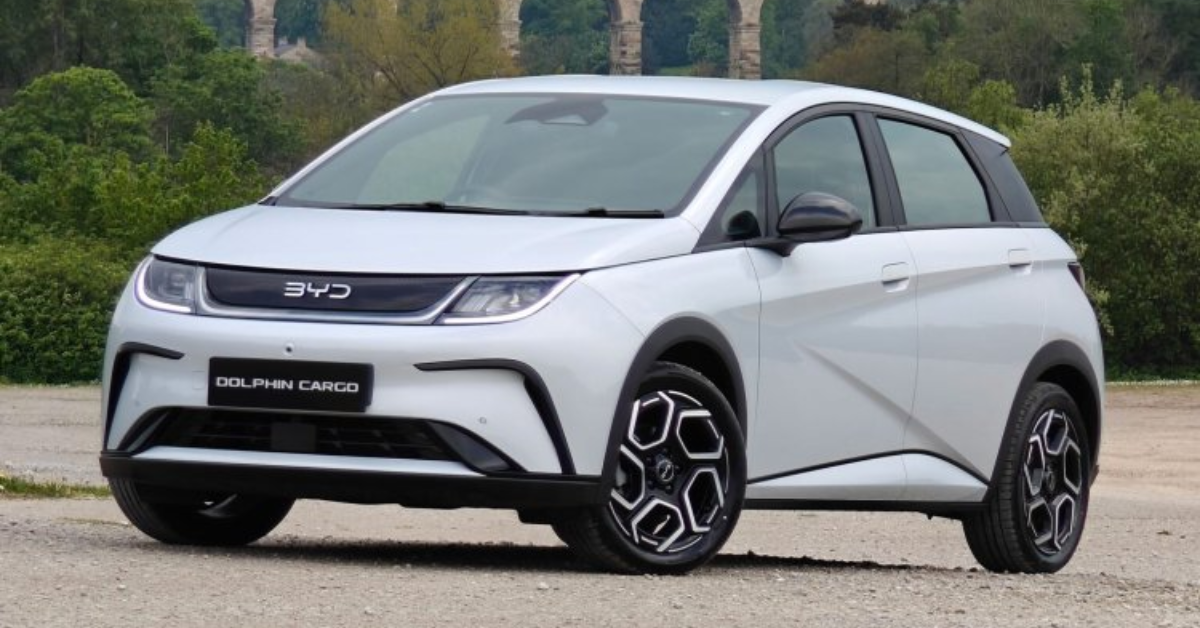
The commercial vehicle industry is rapidly embracing electrification, and manufacturers worldwide are racing to develop innovative solutions for businesses seeking sustainable transportation. In a major step forward, BYD has introduced the new Dolphin Cargo Electric Van, a vehicle designed to redefine efficiency, practicality, and zero-emission logistics. With a remarkable driving range of up to 347 miles, the new electric cargo van aims to address one of the biggest concerns for fleet operators—range anxiety.
The launch of the Dolphin Cargo EV demonstrates how electric commercial vehicles are evolving beyond urban delivery applications and becoming viable solutions for a wider range of business operations. Combining impressive battery technology, practical cargo capacity, low operating costs, and environmental benefits, the vehicle reflects the growing demand for efficient electric mobility in the logistics and transportation sectors.
As businesses continue looking for ways to reduce fuel expenses and meet sustainability goals, long-range electric vans like the Dolphin Cargo EV could play a crucial role in shaping the future of commercial transportation.
The Growing Demand for Electric Commercial Vehicles
The transition toward electric mobility is no longer limited to passenger cars. Commercial fleets are increasingly adopting electric vehicles due to rising fuel prices, stricter emissions regulations, and growing environmental awareness.
Several factors are driving this shift:
- Lower operating costs
- Reduced maintenance expenses
- Government sustainability initiatives
- Corporate carbon reduction targets
- Improved battery technology
- Expanding charging infrastructure
Businesses operating delivery services, logistics networks, and urban transportation fleets are recognizing the long-term advantages of electric vehicles.
The Dolphin Cargo EV arrives at a time when demand for sustainable commercial mobility solutions is accelerating globally.
Why Range Matters in Commercial Transportation
Range remains one of the most important considerations for fleet operators evaluating electric vehicles.
Unlike private car owners, commercial operators depend on vehicles that can complete daily routes efficiently without excessive downtime.
A longer driving range provides several advantages:
Increased Operational Flexibility
Drivers can cover longer routes without requiring frequent charging stops.
Reduced Downtime
Less time spent charging means more time spent on productive business operations.
Improved Fleet Efficiency
Fleet managers can optimize route planning more effectively when vehicles have extended range capabilities.
Greater Confidence
Businesses can adopt electric vehicles with greater confidence when range limitations are minimized.
The Dolphin Cargo EV’s impressive range directly addresses these priorities.
A New Approach to Commercial Mobility
The introduction of the Dolphin Cargo EV reflects a broader transformation occurring across the transportation industry.
Modern commercial vehicles must satisfy multiple requirements simultaneously:
- Efficiency
- Reliability
- Cargo capacity
- Sustainability
- Cost-effectiveness
- Technology integration
Electric vans are increasingly capable of meeting these demands thanks to advances in battery systems and vehicle engineering.
The Dolphin Cargo EV represents this new generation of intelligent commercial transportation.
Practical Design for Business Users
Commercial vehicles are judged primarily by practicality.
The Dolphin Cargo EV is designed with business operations in mind, offering a layout optimized for cargo transportation and daily fleet usage.
Efficient Cargo Space
Cargo vans must maximize storage capacity while maintaining manageable vehicle dimensions.
Businesses require vehicles that can transport:
- Parcels
- Equipment
- Tools
- Retail products
- Service materials
A well-designed cargo area helps improve productivity and route efficiency.
Urban-Friendly Dimensions
Modern delivery vehicles often operate in congested city environments.
Compact yet practical designs enable:
- Easier maneuverability
- Improved parking convenience
- Better accessibility in urban areas
These qualities make electric cargo vans highly attractive for last-mile delivery operations.
Advanced Battery Technology
One of the defining characteristics of the Dolphin Cargo EV is its long-range battery system.
Battery technology has advanced significantly in recent years, delivering improvements in:
- Energy density
- Charging speed
- Durability
- Thermal management
- Operational reliability
These advancements have expanded the practical applications of electric commercial vehicles.
Enhanced Efficiency
Modern battery systems maximize energy utilization, helping vehicles achieve longer driving distances on a single charge.
Improved Durability
Commercial operators require batteries capable of withstanding intensive daily usage.
Long-lasting battery systems contribute to lower ownership costs and improved fleet reliability.
Intelligent Battery Management
Advanced software continuously monitors battery performance and optimizes energy consumption.
This technology helps maintain efficiency across varying operating conditions.
Lower Operating Costs for Businesses
One of the most compelling reasons companies adopt electric vehicles is the potential for cost savings.
Reduced Energy Costs
Electricity is often more cost-effective than traditional fuels over the long term.
Lower Maintenance Expenses
Electric vehicles contain fewer moving parts compared to internal combustion engines.
This reduces the need for:
- Oil changes
- Engine servicing
- Exhaust system maintenance
- Transmission repairs
Predictable Operating Costs
Fleet managers benefit from greater cost predictability when operating electric vehicles.
These savings can significantly impact overall fleet profitability.
Sustainability Benefits
Environmental responsibility has become a major business priority.
Companies increasingly seek transportation solutions that align with sustainability goals.
Zero Tailpipe Emissions
Electric vehicles eliminate direct exhaust emissions during operation.
This contributes to:
- Cleaner air quality
- Reduced urban pollution
- Lower carbon footprints
Support for Corporate ESG Goals
Many organizations now prioritize Environmental, Social, and Governance (ESG) initiatives.
Electric fleets help businesses demonstrate commitment to responsible environmental practices.
Sustainable Urban Logistics
Cities worldwide are introducing measures to reduce emissions from transportation.
Electric cargo vans support these efforts while maintaining efficient delivery operations.
Technology Features for Modern Fleet Operations
Today’s commercial vehicles are becoming increasingly connected and intelligent.
The Dolphin Cargo EV is expected to benefit from advanced technology features that enhance operational efficiency.
Fleet Connectivity
Connected vehicle systems allow fleet managers to monitor:
- Vehicle performance
- Energy consumption
- Maintenance requirements
- Route efficiency
Driver Assistance Systems
Modern safety technologies can improve both driver confidence and operational safety.
Potential benefits include:
- Collision prevention systems
- Parking assistance
- Stability control
- Traffic monitoring features
Digital Integration
Businesses increasingly rely on digital tools to optimize logistics operations.
Connected commercial vehicles help streamline fleet management processes.
Impact on Last-Mile Delivery Services
The rise of e-commerce has dramatically increased demand for efficient delivery solutions.
Last-mile logistics represents one of the fastest-growing segments of commercial transportation.
Electric cargo vans offer several advantages in this area:
Quiet Operation
Electric drivetrains generate significantly less noise than conventional vehicles.
This is particularly valuable for deliveries in residential neighborhoods.
Frequent Stop Efficiency
Electric vehicles perform exceptionally well in stop-and-go traffic conditions.
Urban Accessibility
Many cities are introducing low-emission zones that favor electric vehicles.
These factors make electric vans ideal for modern delivery networks.
The Future of Electric Fleet Transportation
The commercial vehicle industry is expected to experience continued electrification over the coming decade.
Several trends support this outlook:
Expanding Charging Networks
Charging infrastructure continues to improve, increasing convenience for fleet operators.
Battery Innovation
Future battery technologies are expected to provide:
- Longer ranges
- Faster charging
- Lower costs
- Enhanced durability
Smart Fleet Management
Artificial intelligence and data analytics will further optimize fleet operations.
Increased Adoption
As electric vehicle economics improve, more businesses are likely to transition away from conventional fuel-powered fleets.
The Dolphin Cargo EV reflects these broader industry trends.
Why Businesses Are Paying Attention
Commercial fleet operators evaluate vehicles based on practical business outcomes.
Key advantages of long-range electric vans include:
- Lower operational expenses
- Reduced environmental impact
- Improved brand image
- Regulatory compliance
- Enhanced fleet efficiency
The Dolphin Cargo EV addresses each of these priorities, making it an attractive option for businesses seeking future-ready transportation solutions.
The Competitive Advantage of Long-Range EVs
Range is becoming a critical differentiator in the electric commercial vehicle market.
Vehicles capable of covering longer distances offer:
- Greater route flexibility
- Reduced charging interruptions
- Improved productivity
- Broader operational capabilities
A range approaching 347 miles significantly expands the potential applications of an electric cargo van.
This capability helps bridge the gap between conventional commercial vehicles and next-generation electric transportation.
Conclusion
The debut of the BYD Dolphin Cargo Electric Van represents a major advancement in commercial electric mobility. By combining a remarkable 347-mile driving range with practical cargo capabilities, advanced battery technology, and lower operating costs, the vehicle demonstrates how far electric commercial transportation has evolved.
As businesses continue prioritizing sustainability, efficiency, and cost reduction, long-range electric vans are becoming increasingly attractive alternatives to traditional fuel-powered vehicles. The Dolphin Cargo EV showcases the potential of modern electric mobility to support demanding commercial operations while contributing to a cleaner and more sustainable future.
With ongoing improvements in battery technology, charging infrastructure, and fleet management systems, electric cargo vehicles are poised to play a central role in the next generation of logistics and transportation. The Dolphin Cargo EV is not just another commercial van—it is a glimpse into the future of smart, efficient, and environmentally responsible business mobility.