
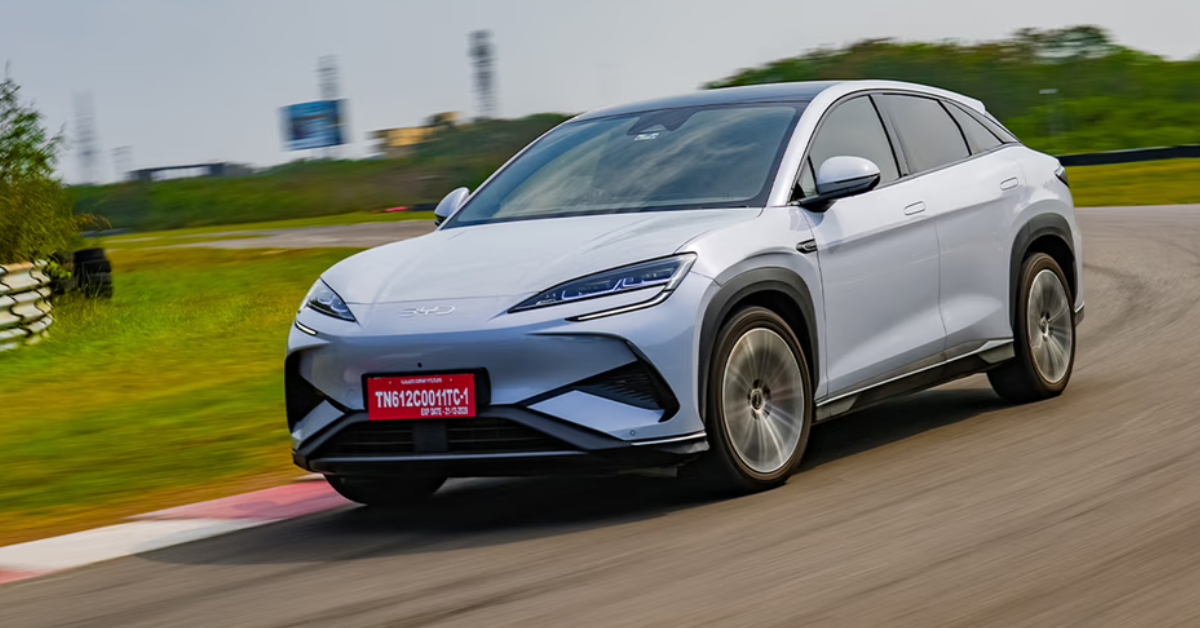
The electric vehicle (EV) market in India has been growing rapidly, with brands like BYD playing a crucial role in shaping this transformation. However, a recent announcement has caught the attention of potential buyers—BYD India is set to increase car prices from May 1.
This move raises several important questions. Why are prices going up in a segment that is expected to become more affordable over time? How significant will the increase be? And most importantly, what should buyers do—purchase now or wait?
In this blog, we break down the reasons behind the price hike, its impact on the EV market, and what it means for consumers planning to invest in a BYD vehicle.
What We Know About the Price Hike
BYD India has confirmed that it will revise prices across its lineup starting May 1. While exact model-wise increases may vary, the hike is expected to affect popular models across segments.
Key Points
- Price increase effective from May 1
- Likely to impact the entire lineup
- Increase may vary depending on model and variant
This is not an isolated case—price hikes have been seen across the automotive industry, but in the EV space, they carry additional significance.
Why Is BYD Increasing Prices?
There isn’t a single reason behind this move. Instead, it’s a combination of multiple factors.
1. Rising Input Costs
One of the biggest drivers is the increasing cost of raw materials.
- Lithium, cobalt, and nickel prices have fluctuated significantly
- Battery production remains expensive
- Global supply chain disruptions continue to impact costs
Since EVs rely heavily on battery technology, even small increases in raw material costs can have a noticeable impact on pricing.
2. Currency Fluctuations
Exchange rate variations also play a role.
- Many EV components are imported
- Currency depreciation increases overall production costs
For a global brand like BYD, these fluctuations directly affect pricing decisions in markets like India.
3. Increased Demand for EVs
As demand for electric vehicles rises, manufacturers gain more pricing power.
- Higher demand reduces the need for aggressive pricing
- Brands focus on maintaining margins rather than volume alone
This is a sign that EVs are moving from a niche category to a more mainstream segment.
4. Feature and Technology Enhancements
Modern EVs are packed with advanced features.
- Larger battery packs
- Improved software and connectivity
- Advanced safety systems
These upgrades add value but also increase costs, which are eventually passed on to buyers.
Impact on Popular BYD Models
The price hike will likely affect key models in BYD’s lineup.
Expected Impact
- Premium EV sedans and SUVs may see higher increases
- Entry-level models may see smaller adjustments
- Feature-rich variants could become significantly more expensive
This could influence buying decisions, especially for price-sensitive customers.
How This Affects Buyers
The price increase has both short-term and long-term implications.
Short-Term Impact
- Buyers may rush to book vehicles before May 1
- Increased showroom activity
- Potential waiting periods
Long-Term Impact
- Higher entry cost for EV ownership
- Slight slowdown in price-sensitive segments
- Shift in buyer expectations
Should You Buy Before the Price Hike?
This is the most important question for potential buyers.
Buy Now If:
- You have already decided on a BYD model
- You want to avoid paying extra
- You are comfortable with current features and specifications
Wait If:
- You are still exploring options
- You expect new updates or features
- You are not in a hurry
Practical Advice:
If your purchase decision is firm, buying before the price hike can lead to immediate savings.
Comparison with Other EV Brands
BYD is not the only company adjusting prices.
Other manufacturers have also:
- Increased prices due to rising costs
- Reduced subsidies or benefits
- Adjusted pricing strategies
This indicates a broader trend in the EV market.
Is This a Sign EVs Are Becoming Expensive?
At first glance, price hikes may seem like a step backward for EV adoption.
However, the bigger picture is more nuanced.
What’s Happening
- Initial aggressive pricing phase is ending
- Market is stabilizing
- Brands are focusing on sustainability and profitability
What It Means
EVs may not get cheaper immediately, but they continue to offer long-term cost benefits.
Running Cost Still Favors EVs
Even with higher upfront prices, EVs remain cost-effective over time.
Key Advantages
- Lower cost per kilometer
- Reduced maintenance
- Fewer moving parts
These factors continue to make EVs attractive despite price increases.
The Bigger Picture: EV Market Evolution
The price hike reflects a maturing market.
Early Stage
- Heavy discounts
- Government incentives
- Aggressive pricing
Current Stage
- Balanced pricing
- Focus on profitability
- Increased competition
This shift is natural as the market evolves.
Challenges for BYD
While the price increase may be necessary, it also comes with challenges.
Key Concerns
- Increased competition from local brands
- Price sensitivity among Indian buyers
- Need to maintain strong value perception
BYD will need to ensure that its products continue to justify their pricing.
Opportunities Despite the Hike
On the positive side, the price increase also signals strength.
- Strong demand for BYD vehicles
- Confidence in product quality
- Growing acceptance of EVs
This could help BYD strengthen its position in the market.
What Buyers Should Watch Next
If you’re planning to buy an EV, keep an eye on:
- Future price trends
- Government policies and incentives
- Charging infrastructure development
- New model launches
These factors will influence overall ownership experience.
Final Verdict: A Strategic but Necessary Move
The BYD India price hike is not surprising—it’s part of a larger industry trend.
What Works
- Reflects strong demand
- Ensures sustainable business model
- Aligns with global market conditions
What Doesn’t
- Higher entry cost for buyers
- May impact price-sensitive segments
Final Thoughts
The decision by BYD India to increase prices from May 1 highlights an important shift in the EV landscape.
Electric vehicles are no longer just about affordability—they are about:
- Technology
- Innovation
- Long-term value
While the price hike may feel like a setback, it also indicates that the EV market is becoming more stable and mature.
For buyers, the key is to look beyond the initial cost and consider the bigger picture—running costs, sustainability, and future readiness.