
The electric vehicle revolution is pushing automakers to rethink design, performance, and technology—and the new BMW i3 is a perfect example of this shift.
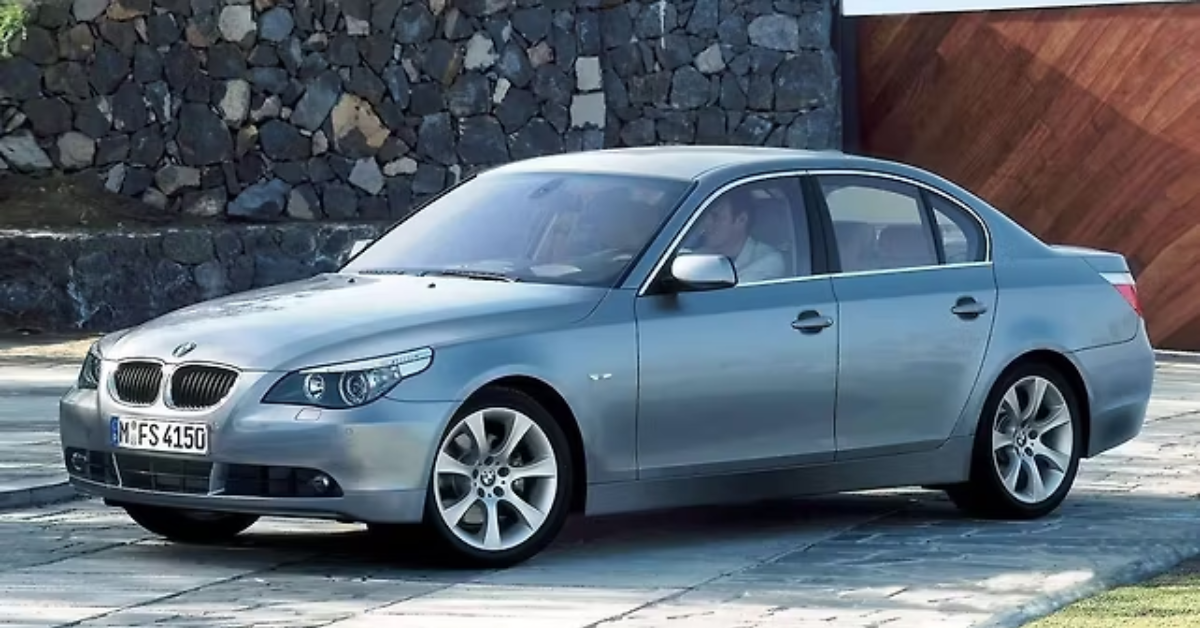
With its latest redesign, BMW has taken a bold step that has sparked debate among car enthusiasts and industry experts alike. Many are comparing this transformation to the controversial Bangle era, when BMW introduced radical styling that divided opinions worldwide.
But is the new i3 truly a design misstep, or is it a glimpse into the future of luxury electric mobility? Let’s dive deep.
A Radical Design Shift
BMW has never been afraid to experiment, but the new i3 takes things to another level.
Key Design Changes:
- Sharp, angular body lines
- Large, closed-off kidney grille
- Futuristic LED lighting setup
- Aerodynamic silhouette
👉 The new design clearly moves away from traditional BMW styling and embraces a futuristic, EV-focused identity.
Why the Design is Controversial
The controversy surrounding the new i3 stems from its departure from classic BMW design language.
Reasons Behind the Debate:
1. Departure from Tradition
BMW has long been known for its sporty and elegant designs. The new i3 replaces that with a more experimental and bold approach.
2. Oversized Grille Design
The large kidney grille, even though partially closed for EV functionality, has sparked mixed reactions.
3. Unconventional Styling
The overall look feels more like a concept car than a production vehicle, which may not appeal to traditional buyers.
👉 This has led many to question whether BMW is taking a calculated risk or going too far.
Comparison with the Bangle Era
The comparison with the Bangle era is not surprising.
What Was the Bangle Era?
It refers to the time when BMW introduced radical designs under design chief Chris Bangle, which initially faced heavy criticism.
Similarities:
- Bold and unconventional styling
- Mixed reactions from customers
- Focus on innovation over tradition
👉 Interestingly, many Bangle-era designs later became widely accepted, suggesting the same could happen with the new i3.
Interior & Cabin Experience
While the exterior is controversial, the interior of the new i3 is widely praised.
Interior Highlights:
- Minimalist dashboard design
- Sustainable materials
- Large curved digital display
- Premium ambient lighting
The cabin focuses on luxury, sustainability, and advanced technology, aligning with modern EV expectations.
Technology & Features
BMW has equipped the new i3 with cutting-edge features.
Key Features:
- Advanced infotainment system
- AI-based voice assistant
- Over-the-air software updates
- Connected car technology
👉 These features position the i3 as a high-tech premium EV.
Performance & Electric Powertrain
The new i3 is not just about design—it also delivers strong performance.
Performance Highlights:
- Instant electric torque
- Smooth and silent driving experience
- Quick acceleration
Battery & Range:
- Expected range: 400–500 km
- Fast charging capability
👉 This makes it a practical choice for both city driving and long-distance travel.
Driving Experience
BMW has ensured that the i3 still delivers its signature driving pleasure.
Driving Feel:
- Balanced handling
- Responsive steering
- Comfortable ride quality
👉 Despite being an EV, it retains the sporty DNA of BMW.
Market Positioning & Pricing
The new BMW i3 is expected to target the premium EV segment.
Expected Pricing:
- ₹50 lakh to ₹70 lakh (depending on variant)
Competitors:
- Luxury electric sedans and compact EVs
👉 It is positioned as a premium, technology-driven electric vehicle.
Pros & Cons
✅ Pros:
- Futuristic and unique design
- Advanced technology features
- Strong EV performance
- Premium interior quality
❌ Cons:
- Design may not appeal to everyone
- High pricing
- Departure from traditional BMW styling
Who Should Consider the New i3?
The new i3 is ideal for:
✔ Tech-Savvy Buyers
Who want cutting-edge features and connectivity.
✔ EV Enthusiasts
Looking for a premium electric car.
✔ Early Adopters
Who appreciate bold and futuristic design.
✔ Urban Professionals
Who want a stylish and eco-friendly vehicle.
Is BMW Taking a Risk?
BMW’s approach with the new i3 can be seen as both bold and strategic.
- It differentiates the brand in a crowded EV market
- It appeals to younger, modern buyers
- It sets the stage for future designs
👉 While it may alienate some traditional customers, it could attract a new generation of buyers.
Final Verdict
The new BMW i3 2026 is undoubtedly one of the most talked-about cars of the year.
- It challenges traditional design norms
- It embraces futuristic styling
- It delivers strong performance and technology
👉 Whether you love it or hate it, one thing is clear: it’s impossible to ignore.
Conclusion
The controversy surrounding the new i3 proves that BMW is willing to take risks in the evolving EV landscape.
Just like the Bangle era, this design shift may take time to be fully appreciated.
👉 For now, the new BMW i3 stands as a bold statement of innovation, showing that the future of cars will be different, daring, and disruptive.