
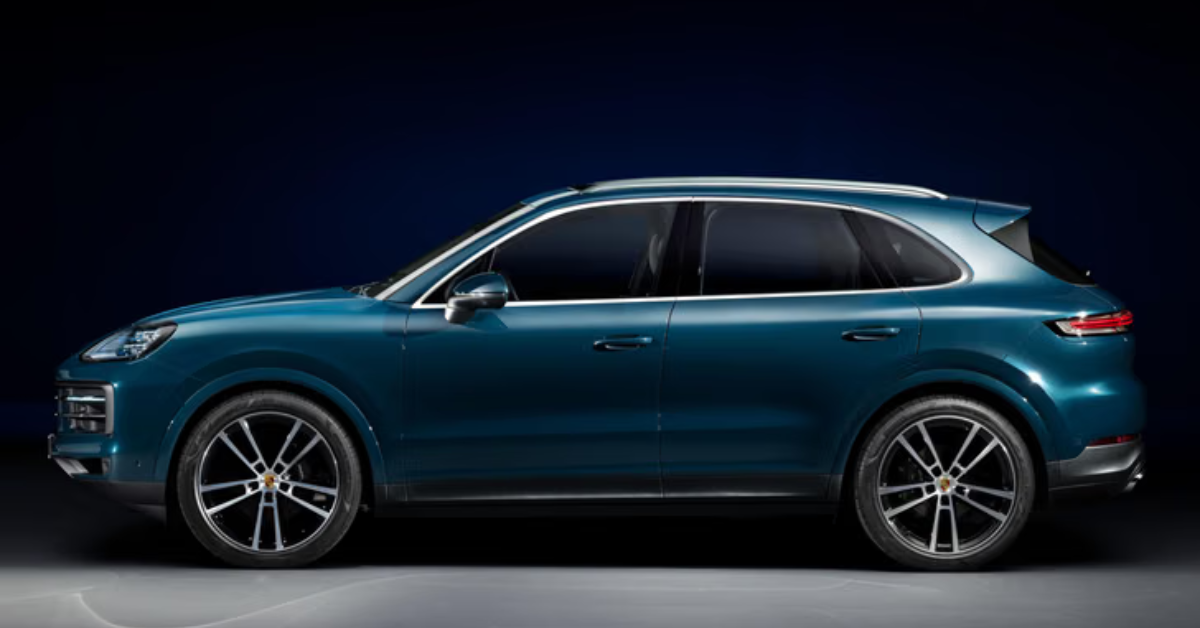
In a surprising strategic shift, Porsche has reportedly decided that its highly anticipated flagship SUV, internally known as the Porsche K1, will no longer debut as a fully electric vehicle. Instead, the premium SUV is now expected to launch with advanced hybrid or combustion-based powertrain options before transitioning to full electrification later in its lifecycle.
This move reflects broader shifts in global EV demand, market dynamics, and high-performance luxury buyer preferences. Let’s break down what this means for Porsche, the luxury SUV market, and premium electrification strategies worldwide.
The Original EV Vision for the K1
When Porsche first outlined its future roadmap, the K1 was positioned as a next-generation, all-electric flagship SUV. It was expected to sit above the Porsche Cayenne and complement the brand’s growing electric lineup alongside the Porsche Taycan.
The original plan aimed to:
- Showcase Porsche’s cutting-edge EV technology
- Deliver high-performance dual or tri-motor setups
- Compete with premium electric SUVs globally
- Strengthen Porsche’s zero-emission portfolio
However, evolving market realities have influenced a revised approach.
Why Porsche Changed Its Strategy
Several key factors likely contributed to Porsche’s decision to delay a full-electric debut for the K1:
1. Slower-than-Expected EV Adoption in Luxury Segments
While electric vehicle growth remains strong globally, adoption in the ultra-luxury SUV segment has shown mixed momentum in certain markets.
High-net-worth buyers often prioritize:
- Long-distance flexibility
- Rapid refueling convenience
- Performance consistency in all conditions
- Established fueling infrastructure
Hybrid technology currently offers a balanced solution.
2. Infrastructure & Charging Challenges
Despite advancements, charging infrastructure gaps remain in several global markets. A flagship SUV with hybrid capability offers:
- Greater market flexibility
- Reduced range anxiety
- Broader international appeal
This strategic pivot allows Porsche to maximize sales potential across diverse regions.
3. Protecting Performance DNA
Porsche’s brand identity is deeply rooted in:
- Precision engineering
- Dynamic driving performance
- Motorsport heritage
By incorporating high-performance hybrid systems, Porsche can deliver immediate torque, enhanced efficiency, and traditional engine character — preserving its performance DNA while gradually advancing electrification.
Expected Powertrain Options
While official specifications remain under wraps, the K1 is now expected to feature:
- Plug-in hybrid (PHEV) systems
- Advanced turbocharged petrol engines
- Electrified all-wheel-drive configurations
- High-capacity battery support for electric-only driving range
A high-performance hybrid setup similar to the Cayenne Turbo E-Hybrid could be adapted for the K1 flagship model.
Platform & Engineering
The K1 is likely to be built on a flexible architecture capable of supporting:
- Internal combustion engines
- Plug-in hybrid systems
- Future full-electric configurations
This approach ensures the model remains future-proof and adaptable as EV demand evolves.
Luxury & Technology Expectations
As Porsche’s flagship SUV, the K1 will emphasize:
- Ultra-premium interior materials
- Large curved digital displays
- Advanced driver assistance systems
- AI-enhanced infotainment
- Premium sound systems
- Enhanced rear-seat comfort
The SUV is expected to target executive-level buyers seeking both luxury and performance.
Competitive Landscape
The flagship luxury SUV segment includes strong competitors offering various powertrain options.
Porsche’s hybrid-first approach positions the K1 to compete effectively against:
- Electrified luxury SUVs
- Performance-focused premium hybrids
- High-end combustion-powered flagships
This flexibility allows Porsche to capture a wider buyer demographic.
Financial & Market Considerations
From a business standpoint, the strategy shift reflects:
- Market demand responsiveness
- Risk mitigation in EV-heavy investments
- Profit margin optimization
- Production flexibility
Hybrid vehicles often command premium pricing while avoiding some battery supply constraints associated with full EV production.
Porsche’s Broader Electrification Plan
It’s important to note that Porsche is not abandoning electrification. The brand continues expanding its EV portfolio and investing in:
- Battery research
- Charging partnerships
- Sustainable fuel development
- Carbon-neutral manufacturing goals
The K1’s delayed EV debut signals strategic timing rather than retreat.
Impact on Brand Image
Porsche’s decision may actually strengthen its brand positioning by demonstrating:
- Pragmatic leadership
- Market adaptability
- Commitment to customer demand
- Balanced innovation
Rather than forcing full electrification prematurely, Porsche appears focused on long-term sustainability and profitability.
Hybrid as a Transitional Strategy
Plug-in hybrid technology offers multiple advantages:
- Short-distance electric driving
- Long-distance combustion flexibility
- Lower emissions compared to pure ICE
- High performance output
- Enhanced fuel efficiency
For a flagship SUV, this balanced solution may resonate strongly with global luxury buyers.
Potential Timeline
Although exact launch dates are yet to be confirmed, industry expectations suggest:
- Hybrid-powered K1 debut within the next few years
- Gradual introduction of full-electric variant later in lifecycle
- Continued software and performance upgrades via OTA updates
This phased approach allows Porsche to align with evolving regulations and infrastructure readiness.
Consumer Perspective
Luxury SUV buyers evaluating the K1 can expect:
- High-performance driving experience
- Long-range flexibility
- Advanced technology integration
- Prestigious brand value
- Future-ready electrification compatibility
For many consumers, a hybrid flagship may currently offer the best balance between innovation and practicality.
Broader Industry Implications
Porsche’s decision reflects a larger industry trend where automakers are:
- Reassessing aggressive EV timelines
- Balancing profitability with sustainability
- Maintaining hybrid investment pipelines
- Adapting to regional demand variations
This shift may influence other luxury manufacturers to reconsider rigid EV-only launch strategies.
Final Verdict
The upcoming Porsche K1 flagship SUV’s revised launch strategy marks a calculated, forward-thinking move rather than a step back from electrification.
By introducing hybrid powertrains before a full-electric debut, Porsche preserves its performance heritage, expands market flexibility, and mitigates infrastructure challenges.
In a rapidly evolving automotive landscape, adaptability is key. Porsche’s decision ensures the K1 remains competitive, desirable, and profitable while maintaining a clear pathway toward future electrification.
For luxury SUV buyers seeking cutting-edge performance with real-world usability, the hybrid-powered K1 could become one of the most compelling flagship launches in the coming years.
Porsche’s message is clear: innovation must align with demand — and the road to electrification is a journey, not a sprint.