
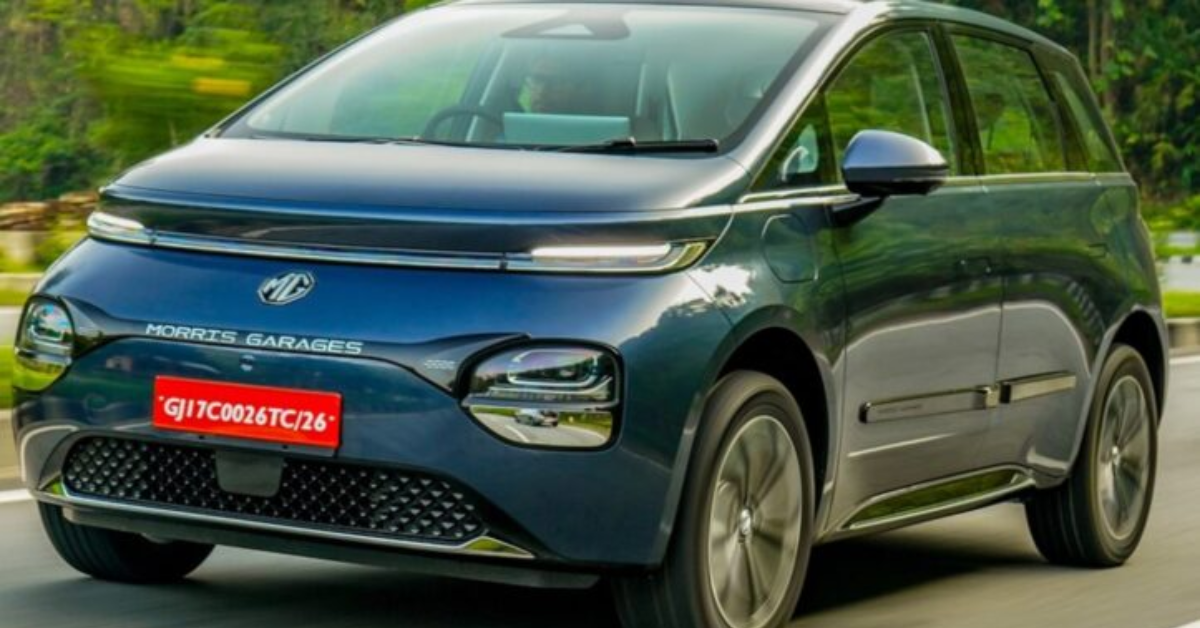
The Indian electric vehicle (EV) market is witnessing a remarkable transformation, and a major highlight is the impressive sales milestone achieved by the MG Windsor EV. With over 65,000 units sold and more than 70% of demand coming from non-metro cities, this development signals a significant shift in consumer behavior and market dynamics.
This trend highlights that electric mobility is no longer limited to urban centers. Instead, it is rapidly expanding into Tier-2 and Tier-3 cities, reshaping the future of the Indian automotive industry.
A Milestone That Reflects Changing Market Trends
Crossing the 65,000 sales mark is a significant achievement for the MG Windsor EV. It reflects not only the growing acceptance of electric vehicles but also the increasing trust of consumers in EV technology.
This milestone is particularly noteworthy because:
- A large portion of sales comes from smaller cities
- Buyers are embracing sustainable mobility solutions
- EV adoption is expanding beyond traditional urban markets
The success of this model demonstrates that the Indian EV revolution is gaining momentum across the country.
Why Non-Metro Cities Are Leading EV Adoption
One of the most surprising aspects of this success story is that over 70% of sales come from non-metro cities. This shift challenges the earlier assumption that EV demand is primarily concentrated in metropolitan areas.
1. Rising Fuel Costs Driving Change
Fuel prices have been steadily increasing, making electric vehicles a cost-effective alternative. Buyers in smaller cities are now prioritizing lower running costs, which EVs offer.
2. Improved Charging Infrastructure
The expansion of EV charging networks in Tier-2 and Tier-3 cities has made electric vehicles more practical and accessible.
3. Government Incentives and Policies
State and central government incentives are encouraging EV adoption, making vehicles like the MG Windsor EV more affordable.
4. Awareness and Digital Influence
With increased internet penetration, consumers in smaller cities are more informed about EV benefits, features, and long-term savings.
Cost of Ownership: A Key Decision Factor
One of the biggest advantages of electric vehicles is their low cost of ownership. Compared to traditional petrol or diesel cars, EVs offer significant savings over time.
Key benefits include:
- Lower fuel expenses
- Reduced maintenance costs
- Fewer moving parts leading to less wear and tear
- Long-term financial savings
For buyers in non-metro areas, where affordability is a major concern, these factors make EVs an attractive option.
Features and Technology Driving Popularity
The MG Windsor EV is not just about affordability—it also offers modern features and advanced technology that appeal to today’s buyers.
Popular features include:
- Smart infotainment system
- Connected car technology
- Digital instrument cluster
- Comfortable interiors
- Advanced safety features
These features provide a premium driving experience, making the vehicle suitable for both city and highway use.
Battery Performance and Driving Range
Range anxiety has been one of the biggest barriers to EV adoption. However, improvements in battery technology have addressed this concern to a large extent.
Expected advantages include:
- Reliable driving range for daily commutes
- Efficient battery management system
- Fast-charging capabilities
- Smooth and silent driving experience
For non-metro users, who may travel longer distances, a dependable battery range is essential, and this model appears to meet those expectations.
Changing Perception of Electric Vehicles
The success of the MG Windsor EV reflects a broader shift in how consumers perceive electric vehicles.
Earlier, EVs were seen as:
- Expensive
- Limited in range
- Suitable only for cities
Today, they are viewed as:
- Cost-effective
- Environmentally friendly
- Technologically advanced
- Practical for everyday use
This change in perception is a major driver of EV growth in India.
Impact on the Indian Automotive Industry
The strong performance of the MG Windsor EV is likely to influence the strategies of other automakers.
Key industry impacts include:
- Increased focus on electric vehicle development
- Expansion of EV portfolios
- Greater investment in charging infrastructure
- Competitive pricing strategies
This shift will accelerate innovation and create more options for consumers.
Role of Rural and Semi-Urban Markets
Non-metro cities and rural areas are emerging as key growth drivers for the EV market. These regions offer:
- Untapped demand
- Growing middle-class population
- Increasing purchasing power
As awareness continues to grow, these markets will play a crucial role in shaping the future of electric mobility in India.
Challenges That Still Exist
Despite the positive growth, some challenges remain:
- Limited charging infrastructure in remote areas
- Higher initial purchase cost compared to traditional cars
- Lack of widespread service networks
- Battery replacement concerns
Addressing these challenges will be essential for sustaining long-term growth.
Future Outlook: What Lies Ahead?
The success of the MG Windsor EV indicates a strong future for electric vehicles in India.
Expected trends include:
- Rapid growth in EV adoption across all regions
- Improved battery technology and longer ranges
- Increased government support
- Expansion of charging infrastructure
The Indian EV market is expected to grow significantly in the coming years, with non-metro cities leading the charge.
Final Verdict: A Turning Point for EV Adoption
The milestone achieved by the MG Windsor EV is more than just a sales figure—it represents a shift in consumer mindset and market dynamics.
Key Highlights:
- 65,000+ units sold
- 70% demand from non-metro cities
- Strong growth in EV adoption
- Increasing awareness and affordability
Conclusion
The rise of the MG Windsor EV marks a significant turning point in the Indian automotive industry. It proves that electric vehicles are no longer limited to urban elites but are becoming a mainstream choice across the country.
As non-metro cities continue to embrace electric mobility, the future of the EV market looks promising. With the right combination of technology, affordability, and infrastructure, electric vehicles are set to redefine transportation in India.