
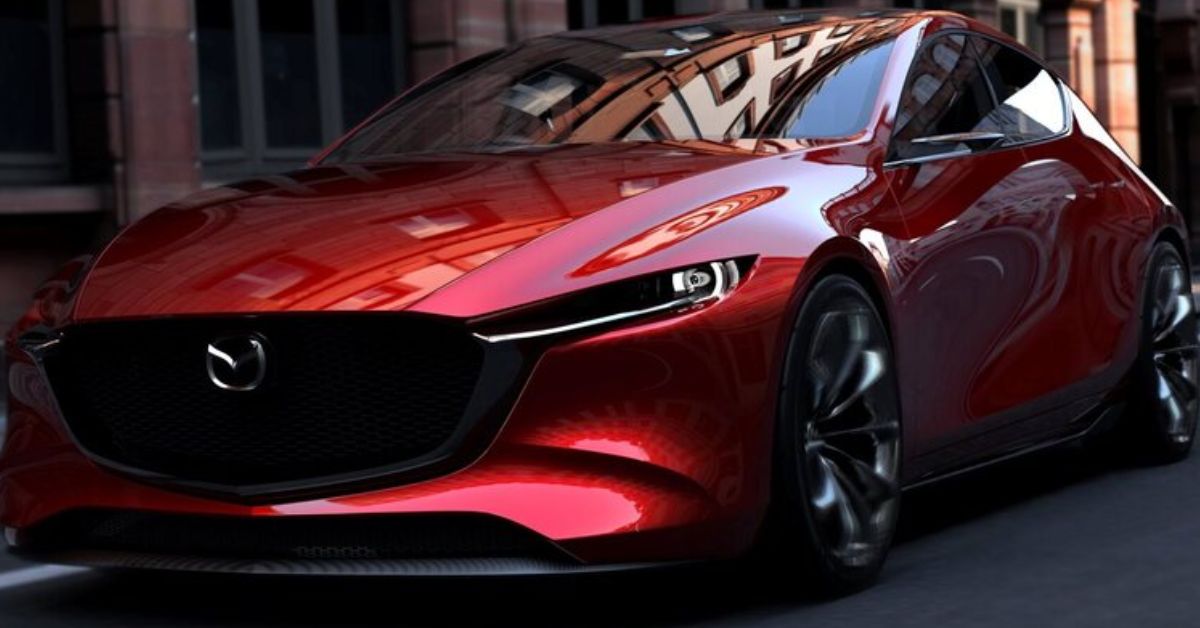
Mazda has always been a brand that balances driver-centric performance with elegant design, and the rumored EZ-3 Concept continues this tradition. While Mazda has officially unveiled the EZ-6 and other electrified models in China, the EZ-3 remains a speculative design concept envisioned as the next-generation Mazda3. It offers a fascinating look at how Mazda could evolve its compact sedan lineup in the era of electrification.
Origins of the EZ-3 Concept
The EZ-3 name surfaced in enthusiast circles and design renderings, hinting at a replacement for the Mazda3, which is due for renewal by Japanese automotive standards. The EZ-3 is imagined as a simpler, more affordable sibling to the EZ-6, retaining Mazda’s design DNA while adapting to cost-conscious buyers.
- Design Inspiration: Borrowed from the EZ-6’s sleek proportions.
- Target Segment: Compact sedan buyers seeking style and practicality.
- Philosophy: Balance between affordability and modern electrification.
Design Highlights
The EZ-3 Concept emphasizes streamlined bodywork and functional simplicity:
- Exterior: Retains the Mazda3’s footprint but introduces a fastback-inspired silhouette.
- Details: Conventional door handles and framed windows for cost efficiency.
- Interior: Expected to feature Mazda’s minimalist cockpit with digital displays and driver-focused ergonomics.
This approach ensures the EZ-3 remains accessible without losing Mazda’s premium feel.
Powertrain Possibilities
While speculative, the EZ-3 would likely follow Mazda’s electrification roadmap:
- Hybrid Options: Affordable electrified drivetrains for everyday use.
- Battery-Electric Variant: A smaller EV positioned below the EZ-6, ideal for urban buyers.
- Gasoline Models: Possible entry-level versions for emerging markets.
This flexibility would allow Mazda to cater to diverse global markets, from Europe’s EV-focused buyers to Asia’s cost-sensitive consumers.
Competitive Landscape
If realized, the EZ-3 would compete in the compact sedan segment, facing rivals like Toyota Corolla, Honda Civic, and Hyundai Elantra.
| Model | Powertrain | Price Range (Est.) | Strengths |
|---|---|---|---|
| Mazda EZ-3 (Concept) | Hybrid/EV | $25,000–$30,000 | Stylish, affordable electrification |
| Toyota Corolla | Gasoline/Hybrid | $22,000–$28,000 | Reliability, global reach |
| Honda Civic | Gasoline/Hybrid | $24,000–$30,000 | Sporty handling, strong brand |
| Hyundai Elantra | Gasoline/Hybrid | $21,000–$27,000 | Value-for-money, tech features |
Mazda’s edge lies in its design sophistication and driver-focused engineering, which could make the EZ-3 stand out.
Risks and Challenges
The EZ-3 Concept, while exciting, faces hurdles:
- Unconfirmed Status: Mazda has not officially announced the EZ-3.
- Market Saturation: Compact sedans face declining demand in favor of SUVs.
- Cost vs. Innovation: Balancing affordability with electrification is a challenge.
Still, the EZ-3 could be Mazda’s answer to keeping sedans relevant in a changing market.
Why the EZ-3 Matters
The EZ-3 Concept symbolizes Mazda’s commitment to accessible innovation. By offering a stylish, electrified compact sedan, Mazda could:
- Attract younger buyers seeking affordable EVs.
- Strengthen its lineup in markets where sedans remain popular.
- Showcase its design leadership beyond SUVs and crossovers.
Conclusion
The Mazda EZ-3 Concept may not yet be official, but it represents a vision of the future compact sedan. With its blend of sleek design, electrification, and affordability, the EZ-3 could redefine Mazda’s role in the global sedan market.
Whether it becomes reality or remains a design exercise, the EZ-3 highlights Mazda’s ability to innovate while staying true to its driver-first philosophy. For enthusiasts and everyday drivers alike, it’s a concept worth watching.