
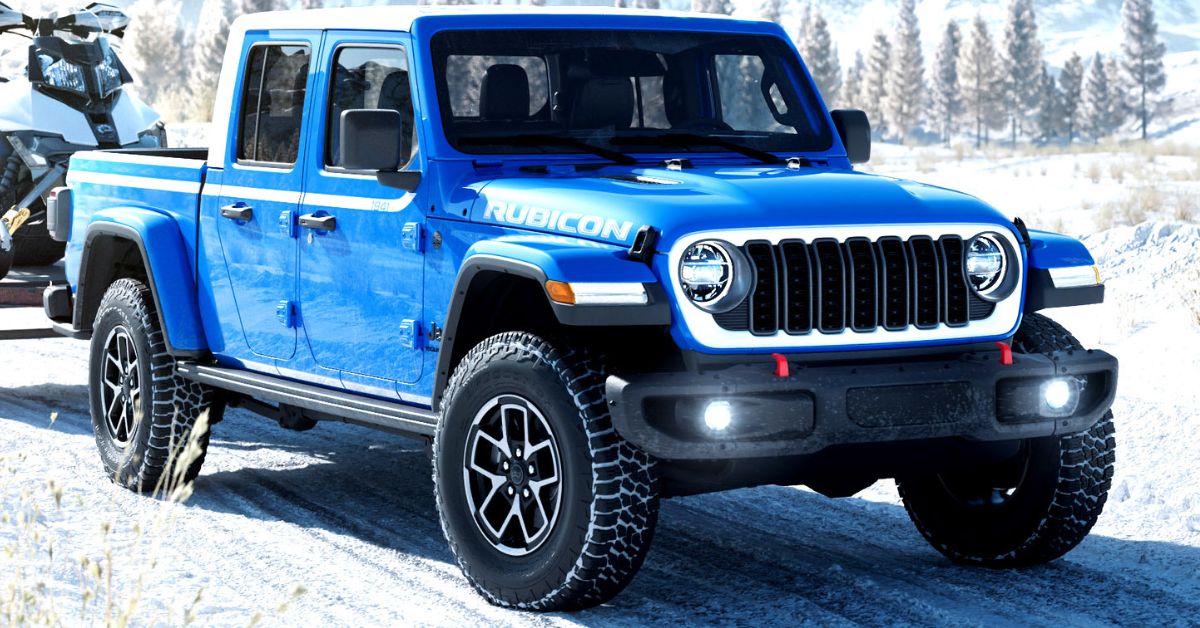
The Jeep Gladiator has always been more than just a pickup—it’s a statement of rugged individuality. Now, Jeep is leaning into nostalgia by embracing retro-inspired design cues for the latest Gladiator, blending classic heritage with modern capability. This move isn’t just about aesthetics; it’s about reconnecting with Jeep’s storied past while appealing to a new generation of enthusiasts who crave authenticity.
A Nod to Jeep’s Heritage
The Gladiator nameplate first appeared in the 1960s, when Jeep introduced a pickup that combined utility with off-road prowess. The modern Gladiator, launched in 2019, revived that spirit but with contemporary engineering. The new retro-inspired Gladiator takes things further, borrowing design elements from Jeep’s golden era:
- Retro Grille: A throwback to the original Jeep trucks, with bold vertical slats and a more squared-off look.
- Classic Badging: Vintage-style emblems that pay homage to Jeep’s mid-century branding.
- Color Palette: Heritage-inspired hues like olive green, desert tan, and sunburst orange, reminiscent of Jeep’s military and adventure roots.
Modern Muscle Meets Vintage Style
While the design may be retro, the engineering is thoroughly modern. The Gladiator continues to offer Jeep’s legendary off-road capability, paired with the practicality of a pickup.
- Engines: A choice of V6 gasoline and turbo-diesel options, with rumors of electrified variants in the pipeline.
- 4×4 Systems: Jeep’s proven Rock-Trac and Command-Trac systems ensure trail dominance.
- Payload & Towing: Over 1,600 pounds of payload and up to 7,700 pounds of towing capacity, making it as capable on the job site as it is on the trail.
The retro styling doesn’t compromise functionality—it enhances the Gladiator’s appeal by making it stand out in a crowded pickup market.
Why Retro Works
Automakers across the industry are tapping into nostalgia. Ford’s Bronco revival and Land Rover’s Defender redesign prove that heritage sells. Jeep’s decision to embrace retro styling for the Gladiator is a strategic move:
- Emotional Connection: Retro cues remind buyers of Jeep’s legacy, reinforcing brand loyalty.
- Differentiation: In a segment dominated by utilitarian designs, the Gladiator’s retro flair sets it apart.
- Cultural Resonance: Retro design taps into broader lifestyle trends, appealing to buyers who value individuality and authenticity.
The Gladiator’s Role in Jeep’s Lineup
The Gladiator occupies a unique space—it’s both a pickup and a Jeep. By leaning into retro design, Jeep strengthens the Gladiator’s identity as more than just a Wrangler with a bed. It becomes a lifestyle vehicle, equally at home hauling gear to a campsite or cruising downtown with vintage swagger.
This positioning is crucial as Jeep expands its lineup with electrified models like the Recon EV. The Gladiator’s retro appeal ensures it remains relevant, offering something distinct in an era of futuristic SUVs.
Looking Ahead
The retro Gladiator isn’t just a design experiment—it’s a signal of Jeep’s broader strategy. Expect more heritage-inspired touches across the lineup, as Jeep balances innovation with tradition. For the Gladiator, this could mean special edition trims, limited-run colors, and collaborations that highlight its retro character.
Conclusion
By embracing retro styling, Jeep has given the Gladiator a fresh identity that honors its past while securing its future. It’s a clever blend of nostalgia and modern capability, appealing to both longtime Jeep fans and new buyers seeking something unique.
The Gladiator proves that retro isn’t about looking backward—it’s about carrying history forward, with style, strength, and a sense of adventure that only Jeep can deliver.