
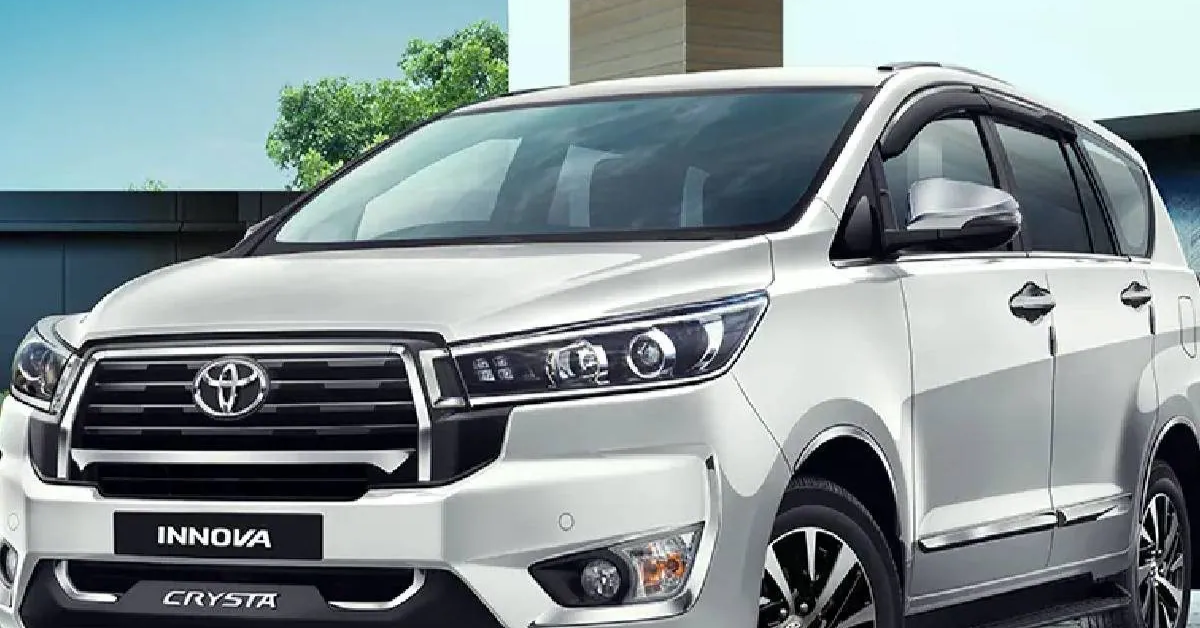
The Toyota Innova Crysta remains one of India’s most respected MPVs, known for its bulletproof reliability, comfortable ride quality, and strong diesel performance. Ever since its debut, it has enjoyed immense trust among both family buyers and fleet operators. But with newer models entering the market and the Innova Hycross taking the spotlight, a big question has surfaced again: Will the Toyota Innova Crysta receive another facelift?
In this blog, we break down the history, market trends, expert expectations, and realistic possibilities around a potential facelift for the Crysta.
A Look Back: The Innova Crysta’s Journey So Far
The Innova Crysta debuted as a more premium, refined replacement for the original Innova. Over the years, it has received several updates:
- Cosmetic enhancements
- New front fascia designs
- Feature additions
- Powertrain updates
- Safety improvements
The most notable refresh came in 2023 when the Crysta was reintroduced as a diesel-only model after initially being discontinued due to the introduction of the Innova Hycross. This move signaled Toyota’s strategy to position the Crysta more for commercial and utility-focused buyers.
Given this background, the question arises—is another facelift on the way, or has Toyota moved on?
Why Another Facelift Seems Unlikely
Auto industry experts and market watchers believe a new facelift for the Innova Crysta is unlikely, and there are several strong reasons to support this view.
1. Focus Has Shifted to the Innova Hycross
Toyota is clearly prioritizing the Innova Hycross, which features:
- A modern monocoque chassis
- Hybrid and petrol powertrains
- Advanced features and safety tech
- Better fuel efficiency
The Hycross is attracting private buyers, while the Crysta now caters mostly to fleet markets.
2. Diesel-Only Models Are Under Pressure
Stricter emissions regulations and the global shift towards electrification make it harder for manufacturers to justify upgrades on older diesel-only platforms. Investing in a facelift may not align with Toyota’s long-term goals.
3. No Test Mules or Early Signs
Normally, a facelift model appears on the road as a camouflaged test vehicle months before launch. So far, there have been zero sightings that indicate a revised Crysta is in development.
4. Toyota Is Streamlining Variants, Not Adding New Ones
Recent changes have shown Toyota removing or simplifying variants of the Crysta instead of expanding the lineup. This usually indicates a phase-out strategy rather than active development.
Why a Facelift Could Still Be Possible
Although the probability is low, there are still a few factors that could push Toyota to give Crysta a mild refresh.
1. Strong Demand in Fleet and Commercial Markets
The Crysta is a big favorite among:
- Taxi operators
- Travel agencies
- Corporate fleets
- Hotel transport services
These buyers value durability and space more than cutting-edge features. A mild facelift could help Toyota keep the Crysta relevant in this market.
2. Cost-Effective Cosmetic Updates Are Easy to Implement
Toyota could easily update:
- Headlamps
- Bumper designs
- Upholstery
- Steering wheel finish
- Infotainment software
- Alloy wheel patterns
These changes cost less and allow the company to keep the model looking fresh.
3. MPV Market Still Has Space
Even though SUVs dominate today’s trends, MPVs like the Crysta still serve a unique purpose—practicality, comfort, and dependability. Toyota may not want to surrender this space completely.
If a Facelift Comes, What Changes Can We Expect?
If Toyota does decide to offer another facelift for the Innova Crysta, here’s what it may realistically include:
1. Updated Front Fascia
- Redesigned grille with a fresher pattern
- Slightly tweaked headlamp shape
- New DRLs
- Revised bumper with sharper edges
2. New Alloy Wheels and Colour Options
Cosmetic upgrades like these are affordable yet impactful.
3. Interior Material Improvements
Toyota may introduce:
- New seat fabrics
- New dashboard trims
- Glossy panel inserts
- Updated colour themes
4. Feature Adjustments
Don’t expect radical upgrades, but possible additions could include:
- Updated 8-inch touchscreen
- Wireless smartphone connectivity
- 360-degree camera (for higher variants)
- More USB power outlets
5. No Major Mechanical Changes
Toyota is unlikely to update the engine or platform. The same 2.4-litre diesel engine would continue.
Why Toyota May Avoid a Major Facelift
Understanding Toyota’s strategy helps us see the bigger picture:
1. The Hycross Is the Future
Toyota has invested heavily in hybrid technology, and the Hycross represents the next generation of MPVs. Updating the Crysta too much might eat into Hycross sales.
2. Diesel Vehicles Are Moving Toward Phase-Out
Globally, Toyota (and many other brands) are planning long-term reductions in diesel-dependent models.
3. Cost vs. Benefit
A full facelift requires significant investment. If Toyota expects limited sales from private buyers, the return on investment may not justify the cost.
Should You Wait for a Facelift?
If you are planning to buy the Innova Crysta, the decision depends on your priorities.
Buy Now If You Want:
- A proven and reliable diesel MPV
- Low maintenance and strong resale
- Space, comfort, and long-distance consistency
- A practical vehicle for business or touring
For these purposes, the Crysta is still unmatched.
Wait Only If You Expect Major New Features
If you’re waiting for:
- New engine options
- Hybrid technology
- Major feature enhancements
- A completely redesigned model
—you are likely to be disappointed. These changes are not expected anytime soon.
Conclusion: Will the Innova Crysta Get Another Facelift?
Based on current trends, Toyota’s strategy, and market insights:
- A major facelift is unlikely
- A minor cosmetic update is possible but not confirmed
- Toyota’s main focus appears to be shifting toward newer models like the Hycross
The Innova Crysta is entering a more stable, matured phase of its lifecycle. It may not get dramatic changes, but it will continue serving loyal customers who prioritize reliability, space, and long-term value.
If you are planning to purchase one, now is still a good time—especially if you prefer dependable diesel performance over modern tech features.