
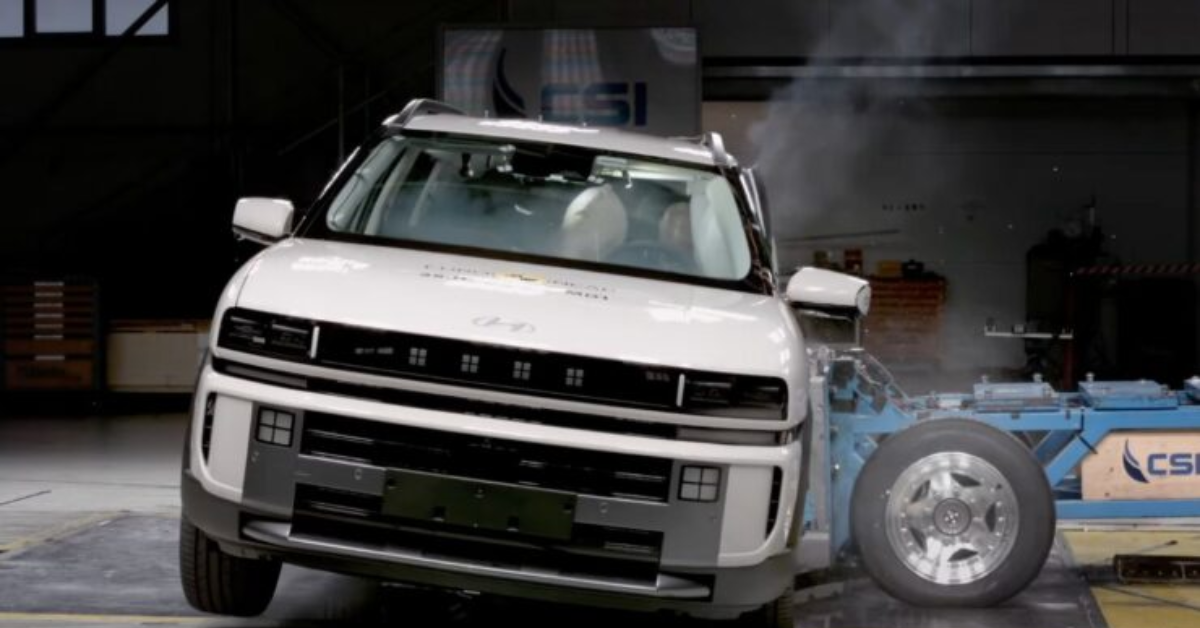
The Hyundai Nexo FCEV, Hyundai’s flagship hydrogen fuel cell electric vehicle, has recently made headlines by securing a full five-star rating in the Euro NCAP safety tests. This achievement not only underscores Hyundai’s commitment to advanced safety and eco-friendly technology but also raises questions among Indian enthusiasts: could this revolutionary FCEV make its way to India?
As governments and manufacturers push toward sustainable mobility, the Hyundai Nexo offers a glimpse of the future. In this article, we explore the Nexo’s cutting-edge technology, design, safety features, performance, and the feasibility of an India launch, making it clear why this FCEV is generating global attention.
What is the Hyundai Nexo FCEV?
The Hyundai Nexo is a hydrogen fuel cell electric vehicle (FCEV), representing a significant step forward in zero-emission mobility. Unlike traditional electric vehicles that rely on lithium-ion batteries, the Nexo generates electricity on the go by converting hydrogen gas into electricity, with water vapor as the only emission.
Key highlights include:
- Hydrogen fuel cell technology
- Zero emissions (only water vapor)
- Long driving range comparable to conventional SUVs
- Fast refueling capability in minutes
This combination of eco-friendliness, performance, and convenience makes the Nexo a unique offering in the global EV landscape.
Full Five-Star Euro NCAP Rating: What It Means
The Euro NCAP (European New Car Assessment Programme) rating is one of the most prestigious global safety benchmarks for vehicles. The Nexo’s full five-star rating confirms Hyundai’s focus on passive and active safety across multiple fronts.
Safety Highlights
- Advanced Driver Assistance Systems (ADAS):
The Nexo is equipped with lane-keeping assist, adaptive cruise control, forward-collision warning, and emergency braking systems. - Occupant Protection:
Multi-stage airbags, reinforced cabin structure, and optimized crash zones ensure maximum safety in collisions. - Pedestrian Safety:
External sensors and active braking systems reduce risks for pedestrians in urban environments. - Technology Integration:
Hyundai’s smart safety software integrates sensors, cameras, and radar to offer real-time hazard detection.
Achieving a five-star rating reinforces the Nexo’s credibility as a vehicle that doesn’t compromise on safety, even while pioneering new fuel cell technology.
Design and Features: Futuristic Yet Practical
The Hyundai Nexo combines modern design with practical SUV dimensions, making it suitable for both urban and highway use.
Exterior Design
- Aerodynamic body for improved efficiency
- Sleek LED headlamps and taillamps
- Signature grille indicating its electric nature
- SUV proportions for spacious cabin and cargo space
Interior Features
- Spacious seating for five adults
- Digital instrument cluster displaying hydrogen levels and range
- Large infotainment touchscreen with connected car capabilities
- Climate control optimized for passenger comfort
The interior balances technology, comfort, and usability, creating a premium experience for both driver and passengers.
Hydrogen Fuel Cell Technology: The Future of Clean Driving
The Nexo’s hydrogen fuel cell system is what truly sets it apart from battery-electric vehicles.
How It Works
- Hydrogen is stored in high-pressure tanks
- Fuel cells convert hydrogen into electricity
- Electricity powers the electric motor, while water vapor is emitted as the only byproduct
Performance and Range
- Nexo delivers smooth, quiet power comparable to premium SUVs
- Driving range of up to 600–700 km per tank, depending on conditions
- Hydrogen refueling takes around 3–5 minutes, similar to conventional fuel
This technology solves one of the major drawbacks of battery EVs: long charging times, making FCEVs a practical alternative for longer journeys.
Is the Hyundai Nexo Coming to India?
While the Nexo has made waves globally, its availability in India remains uncertain. However, several factors suggest potential future interest:
Growing EV Awareness in India
With government policies pushing for electric mobility, the demand for zero-emission vehicles is rising. Hydrogen vehicles could complement battery EV infrastructure, especially for long-distance travel.
Challenges for Hydrogen Adoption
- Limited hydrogen refueling infrastructure
- High initial cost of fuel cell technology
- Regulatory and safety compliance requirements
Despite these challenges, Hyundai has been testing hydrogen technology in India, which may pave the way for future launches.
Why India Could Benefit
- Reduced urban air pollution
- Long-range capability ideal for inter-city travel
- Faster refueling compared to battery EVs
- Premium zero-emission SUV option for urban and corporate buyers
A launch in India could position Hyundai as a pioneer in hydrogen mobility while offering a premium alternative to battery EVs.
Comparisons: FCEVs vs Battery EVs
While battery-electric vehicles dominate current EV sales, FCEVs like the Nexo offer distinct advantages:
- Refueling Speed: Minutes vs hours for charging
- Driving Range: Comparable or better range in long-distance scenarios
- Sustainability: Zero-emission operation similar to battery EVs, but with faster turnaround
However, battery EVs benefit from more developed infrastructure and lower upfront costs, making them more popular at present.
Who Should Consider the Nexo?
If the Nexo arrives in India, the ideal target audience includes:
- Eco-conscious premium buyers seeking zero emissions without range anxiety
- Corporate fleets and government agencies promoting sustainable transport
- Technology enthusiasts eager to adopt next-generation clean mobility
The Nexo offers a unique combination of technology, safety, and sustainability that is unmatched in current Indian EV options.
Conclusion
The Hyundai Nexo FCEV achieving a full five-star Euro NCAP rating demonstrates that safety, performance, and innovation can coexist. Its hydrogen fuel cell technology provides an exciting glimpse into the future of clean mobility, offering long-range driving and fast refueling — features that overcome key limitations of conventional battery EVs.
While the India launch is not confirmed yet, the Nexo’s global success could inspire the adoption of FCEVs in the country in the coming years. With growing environmental awareness and government incentives for zero-emission vehicles, India may soon witness vehicles like the Nexo redefining sustainable driving.
For now, the Hyundai Nexo stands as a symbol of futuristic mobility, proving that green technology and high safety standards can go hand in hand — setting the stage for a new era of hydrogen-powered driving.