
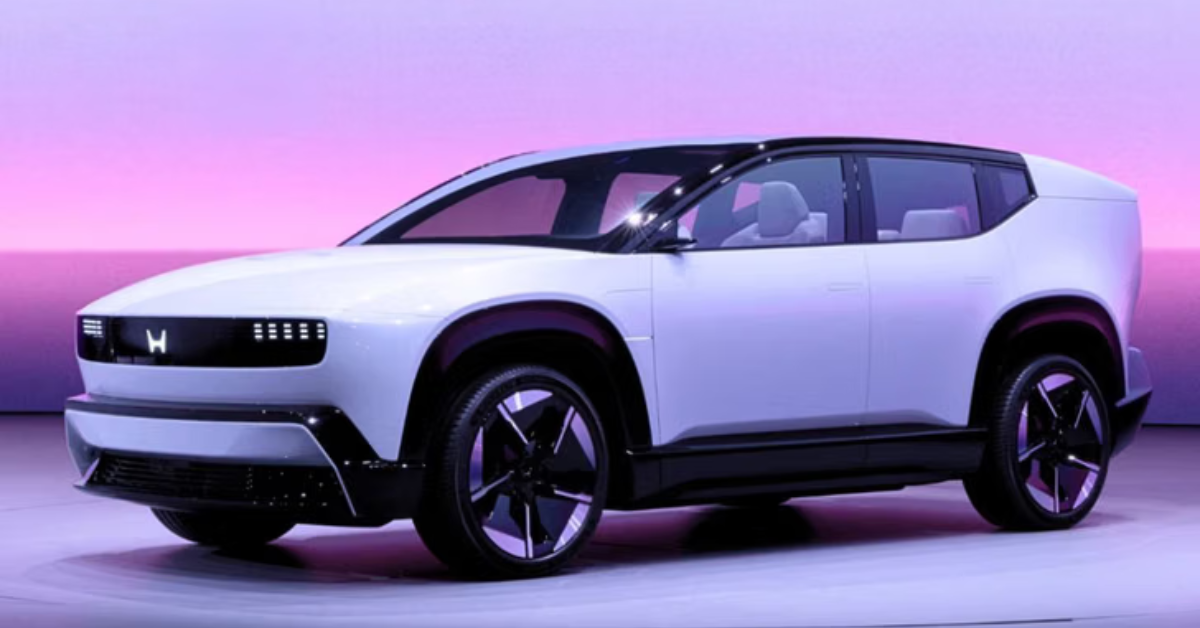
The global automotive industry is currently undergoing one of the biggest transformations in its history as manufacturers move toward electric mobility. Nearly every major car company is investing billions of dollars in developing new electric vehicles to meet growing consumer demand and stricter environmental regulations.
However, in a surprising development, Honda has decided to scrap its planned 0 Series electric SUV and sedan, signaling a potential shift in the company’s electric vehicle strategy.
The 0 Series was expected to represent Honda’s next generation of electric vehicles, designed to showcase futuristic technology, innovative design, and advanced EV platforms. The cancellation of these models has sparked significant discussion within the automotive industry.
In this article, we explore why Honda decided to cancel the 0 Series SUV and sedan, what it means for the company’s EV roadmap, and how this decision could impact the future of electric vehicles.
What Was Honda’s 0 Series?
The Honda 0 Series was originally introduced as part of the company’s ambitious electric vehicle vision. The series was intended to represent a new generation of EVs built on a dedicated electric platform.
Honda planned to introduce multiple models under the 0 Series lineup, including:
• A futuristic electric SUV
• A sleek electric sedan
• Advanced digital technologies
• Lightweight EV architecture
These vehicles were expected to feature cutting-edge innovations in battery technology, connectivity, and design.
The 0 Series was also meant to highlight Honda’s commitment to sustainability and electrification.
Why Honda Scrapped the 0 Series SUV and Sedan
Several factors may have contributed to Honda’s decision to cancel the development of these models.
Changing EV Market Dynamics
The electric vehicle market is evolving rapidly. Consumer preferences, technology costs, and infrastructure challenges are constantly changing.
Manufacturers sometimes revise their plans to better align with current market realities.
High Development Costs
Developing completely new electric platforms requires significant investment. Companies must balance research and development spending with expected market demand.
If projected sales do not justify the cost, manufacturers may choose to modify or cancel certain projects.
Strategic Realignment
Automakers frequently adjust their long-term strategies to focus on more promising segments or technologies.
Honda may have decided to redirect resources toward other EV models that better align with its global strategy.
Technology Optimization
Another possible reason is that Honda wants to refine its EV technology further before launching next-generation models.
Delaying or canceling certain vehicles can give manufacturers more time to improve battery efficiency, software systems, and driving performance.
Honda’s Future EV Strategy
Although the cancellation of the 0 Series SUV and sedan might appear like a setback, it does not mean that Honda is stepping away from electric vehicles.
In fact, the company continues to invest heavily in electrification.
Honda’s long-term EV strategy includes:
• Developing next-generation battery technology
• Expanding electric vehicle lineup globally
• Investing in advanced software and connectivity systems
• Strengthening partnerships for EV platforms
These initiatives demonstrate that Honda remains committed to building a strong electric vehicle future.
Global Competition in the EV Market
The electric vehicle industry is becoming increasingly competitive. Several automakers are aggressively launching new EV models in different segments.
Major global brands are introducing electric SUVs, sedans, and compact cars designed to attract a wide range of buyers.
Competition in the EV sector includes companies focusing on:
• Affordable electric vehicles
• Long-range battery technology
• Advanced autonomous driving systems
• Smart connectivity features
Because of this intense competition, manufacturers must carefully plan their product strategies to remain competitive.
The Challenges of Electric Vehicle Development
Building successful electric vehicles involves overcoming several challenges.
Battery Technology
Battery performance is one of the most important factors affecting EV success. Manufacturers must develop batteries that offer long range, fast charging, and durability.
Charging Infrastructure
The availability of charging stations plays a critical role in EV adoption. Without widespread charging networks, many consumers remain hesitant to switch to electric vehicles.
Cost Management
Electric vehicles are still more expensive to produce compared to traditional petrol cars. Automakers must find ways to reduce costs while maintaining quality.
Consumer Expectations
Modern EV buyers expect advanced technology, digital features, and strong performance.
Balancing all these factors makes EV development extremely complex.
Impact of the Cancellation on Honda’s Brand
While the cancellation of the 0 Series models might generate headlines, it is unlikely to significantly damage Honda’s reputation.
Automobile companies regularly adjust their product plans based on changing conditions.
In many cases, canceled projects lead to better and more refined products in the future.
Honda has a long history of innovation and engineering excellence, which continues to support its brand image globally.
Honda’s Strengths in the Automotive Industry
Honda remains one of the most respected automobile manufacturers in the world.
Several factors contribute to the company’s strong reputation.
Engineering Excellence
Honda vehicles are known for their reliability, durability, and efficient performance.
Global Presence
The company operates in multiple markets worldwide, giving it strong global reach.
Innovation
Honda has consistently introduced new technologies in engines, hybrid systems, and mobility solutions.
These strengths position the company well for future developments in the electric vehicle sector.
The Future of Electric Mobility
Despite occasional setbacks or strategy changes, the global transition toward electric mobility continues to accelerate.
Governments around the world are encouraging the adoption of EVs through incentives and stricter emission regulations.
Automakers are also investing heavily in research and development to improve battery performance and reduce production costs.
Over the next decade, electric vehicles are expected to become more affordable and widely available.
Companies that successfully adapt to this transition will play a major role in shaping the future of transportation.
Final Verdict
Honda’s decision to scrap the 0 Series electric SUV and sedan represents an important strategic adjustment rather than a complete change in direction.
The company appears to be refining its approach to electric vehicles by focusing on technologies and models that offer stronger long-term potential.
While the cancellation of these models may disappoint some EV enthusiasts, it also provides Honda with the opportunity to re-evaluate its strategy, improve its technology, and develop more competitive electric vehicles in the future.
As the global EV market continues to evolve, Honda is expected to remain an important player in the next generation of sustainable mobility.