
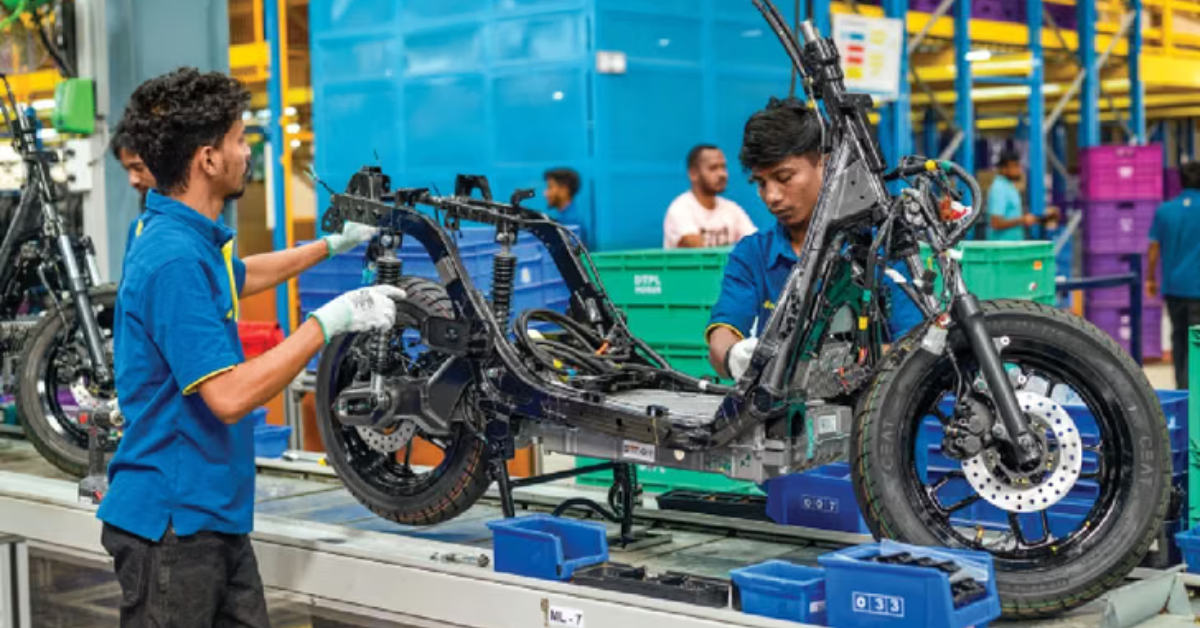
In a bold step toward cleaner transportation, the government of Delhi has proposed that from 2028 onwards, only electric two-wheelers will be allowed for new registrations.
This means that new petrol scooters and motorcycles will no longer be available for purchase in the city after the deadline. The move is part of a larger effort to reduce pollution and promote sustainable mobility.
With two-wheelers forming a large portion of Delhi’s traffic, this policy could significantly reshape how people commute in the coming years.
What the EV-Only Policy Means
The proposal focuses specifically on new vehicle registrations.
Key Points:
- Only electric scooters and motorcycles allowed from 2028
- Petrol-powered two-wheelers will not be sold as new vehicles
- Existing petrol vehicles can still be used
This ensures a gradual transition rather than an immediate ban, giving both buyers and manufacturers time to adapt.
Why Delhi Is Moving Toward EV-Only Two-Wheelers
Delhi has been facing severe air pollution issues for years. Two-wheelers contribute a significant share of emissions.
Major Reasons Behind the Decision:
- Improve air quality
- Reduce carbon emissions
- Lower fuel dependency
- Align with global EV trends
Electric vehicles produce zero tailpipe emissions, making them a cleaner alternative for urban mobility.
Impact on Daily Commuters
For everyday riders, this policy will bring noticeable changes.
Short-Term Impact:
- Petrol bikes and scooters still available until 2028
- Growing awareness about EV options
- Gradual shift in buying patterns
Long-Term Impact:
- Electric scooters become the default choice
- Wider availability of EV models
- Better charging infrastructure
Practical Change:
Daily commuting will become quieter, cleaner, and more cost-efficient.
Cost Savings: EV vs Petrol Two-Wheelers
One of the biggest advantages of electric two-wheelers is cost savings.
Running Cost Comparison:
- Petrol scooters: High fuel cost
- Electric scooters: Very low charging cost
Maintenance:
- EVs have fewer moving parts
- Lower servicing cost
- No engine oil or complex components
Long-Term Savings:
Over time, EV users can save a significant amount on fuel and maintenance.
Charging Infrastructure: The Key to Success
For this policy to succeed, charging infrastructure must improve.
Current Challenges:
- Limited public charging stations
- Dependence on home charging
- Charging time concerns
Future Expectations:
- More charging stations across the city
- Fast-charging solutions
- Battery swapping technology
As infrastructure improves, EV adoption will become easier and more convenient.
Impact on the Automobile Industry
This policy will force major changes in the two-wheeler industry.
For Manufacturers:
- Shift from petrol to electric production
- Investment in battery technology
- Launch of new EV models
For Startups:
- Opportunity to innovate
- Growth in EV ecosystem
Industry Transformation:
The two-wheeler market will gradually become fully electric.
What Happens to Petrol Vehicles After 2028?
Many buyers are concerned about their existing vehicles.
Important Clarification:
- Existing petrol bikes and scooters will continue to run
- Only new registrations will be restricted
This ensures that current owners are not affected immediately.
Advantages of Electric Two-Wheelers
Electric scooters and bikes offer several benefits.
Key Benefits:
- Zero emissions
- Lower running cost
- Silent operation
- Smooth riding experience
Urban Advantage:
EVs are ideal for city commuting due to their efficiency and ease of use.
Challenges That Need Attention
While the policy is forward-thinking, there are some challenges.
Major Concerns:
- Range limitations
- Charging infrastructure gaps
- Higher upfront cost
- Limited awareness among buyers
However, these issues are expected to improve with time and technological advancements.
Should You Switch to Electric Now?
With 2028 approaching, many buyers are considering an early transition.
Switch Now If:
- You want to save on fuel costs
- You have access to charging
- You prefer eco-friendly options
Wait If:
- You frequently travel long distances
- Charging infrastructure is limited in your area
Smart Decision:
Early adopters can benefit from current incentives and lower running costs.
How This Policy Could Influence Other Cities
Delhi often leads policy changes in India.
Possible Outcomes:
- Other metro cities may adopt similar rules
- Nationwide EV adoption may accelerate
- Strong push for clean mobility
This policy could become a model for the entire country.
Future of Two-Wheelers in India
The future of two-wheelers is clearly electric.
Key Trends:
- Rapid growth in EV sales
- Better battery technology
- Lower costs over time
- Increased competition
By 2030, electric two-wheelers could dominate urban mobility.
Final Verdict: A Bold and Necessary Step
The proposal to allow only electric two-wheelers from 2028 is a bold move, but it is also a necessary one.
Key Takeaways:
- Promotes cleaner environment
- Reduces fuel dependency
- Encourages innovation
While the transition may take time, the long-term benefits are undeniable.
Conclusion
Delhi’s EV-only two-wheeler policy marks a major turning point in India’s journey toward sustainable mobility. By focusing on electric vehicles, the government is taking a strong step toward reducing pollution and improving quality of life.
For buyers, this is the right time to start exploring electric options and preparing for the future. The shift may not happen overnight, but it is inevitable.