
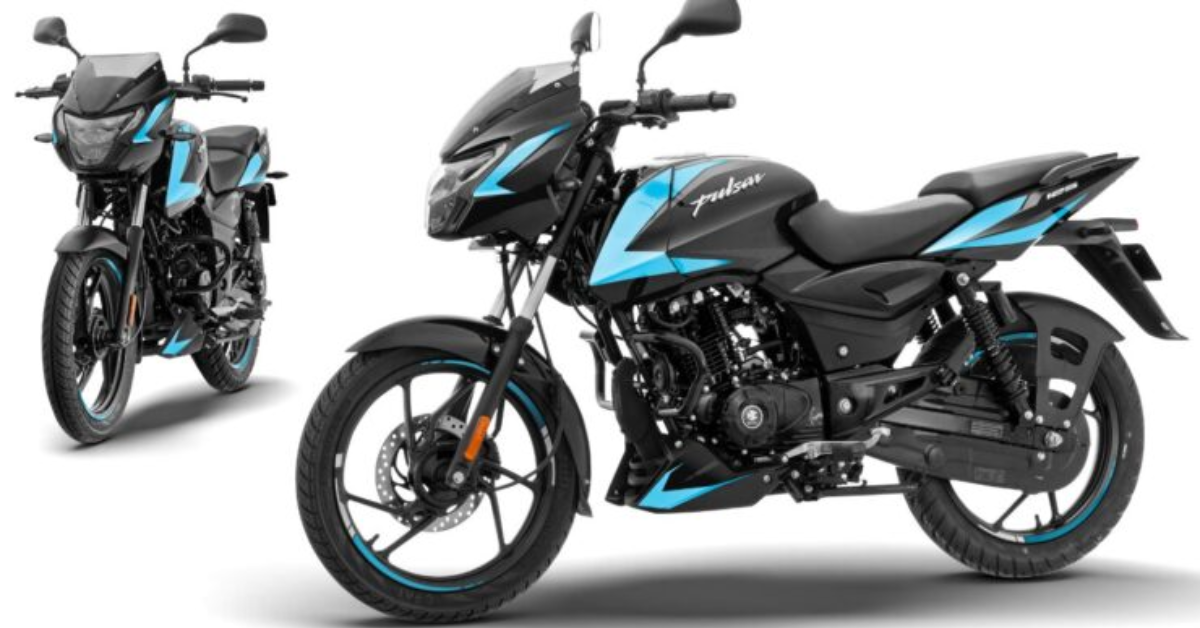
India’s two-wheeler industry continues to accelerate at full throttle. In February 2026, Bajaj Auto reported nearly 4.50 lakh unit sales, registering an impressive 27% year-on-year growth. This remarkable performance reflects strong domestic demand, export expansion, and increasing traction in the electric mobility segment.
The surge is not just a monthly milestone — it’s a powerful signal that India’s premium and commuter motorcycle market is witnessing renewed momentum.
Let’s analyze what’s driving this growth and what it means for investors, consumers, and the broader auto sector.
February 2026 Sales Breakdown
Bajaj Auto’s total sales of approximately 4.50 lakh units include:
- Domestic motorcycle sales
- Commercial vehicle volumes
- Export shipments
- Electric two-wheeler sales
The 27% surge highlights a broad-based recovery rather than a single-segment spike. Both urban and rural markets contributed to this growth.
This performance strengthens Bajaj’s position as one of India’s most profitable two-wheeler manufacturers.
Strong Domestic Motorcycle Demand
One of the biggest contributors to February’s numbers is Bajaj’s strong domestic motorcycle lineup.
Popular models such as:
- Bajaj Pulsar
- Bajaj Platina
- Bajaj CT 110
- Bajaj Dominar 400
continue to dominate their respective categories.
The Pulsar range, in particular, remains one of India’s highest-selling sports motorcycle brands. Continuous upgrades, refreshed styling, and technology enhancements have helped Bajaj maintain youth appeal.
Meanwhile, entry-level commuter bikes like Platina and CT 110 continue to perform strongly in rural and semi-urban markets where fuel efficiency and affordability drive purchase decisions.
Export Growth: A Key Profit Driver
Exports remain a major strength for Bajaj Auto.
The company has a strong presence across:
- Africa
- Latin America
- South Asia
- Southeast Asia
Unlike many competitors heavily dependent on domestic sales, Bajaj’s diversified global footprint provides revenue stability.
With currency advantages and competitive pricing, Bajaj motorcycles continue to gain traction in developing markets seeking affordable yet durable two-wheelers.
Export-led growth has significantly boosted February’s overall numbers and enhanced operating margins.
Electric Mobility Push: Chetak’s Contribution
The electric vehicle segment is becoming increasingly relevant in Bajaj’s growth strategy.
The Bajaj Chetak electric scooter has steadily expanded its footprint across Indian cities. With improved range, updated battery technology, and premium positioning, Chetak is carving a niche in the urban electric mobility segment.
While EV sales may not yet dominate total volumes, they represent a high-growth vertical with strong future potential.
Bajaj’s balanced approach — maintaining ICE dominance while expanding EV offerings — ensures risk diversification.
Commercial Vehicle Segment Performance
In addition to motorcycles, Bajaj’s three-wheeler commercial vehicle segment continues to contribute steadily.
Demand from:
- Last-mile delivery operators
- E-commerce logistics
- Passenger transport services
- Urban mobility operators
has improved post-economic recovery.
This diversified product portfolio gives Bajaj resilience across economic cycles.
Competitive Landscape
Despite intense competition from:
- Hero MotoCorp
- TVS Motor Company
- Honda Motorcycle & Scooter India
Bajaj Auto has maintained strong momentum.
Key competitive advantages include:
- Aggressive pricing strategy
- Wide dealer network
- Strong export focus
- Efficient manufacturing scale
- High brand recall among youth
The Pulsar brand alone carries enormous aspirational value, allowing Bajaj to command strong sales volumes in the performance segment.
Capacity Optimization & Operational Efficiency
A 27% growth surge requires manufacturing agility.
Bajaj has invested heavily in:
- Supply chain optimization
- Vendor integration
- Production line automation
- Inventory management
Efficient capacity utilization ensures the company can scale volumes without compromising profitability.
Unlike rapid expansion strategies that strain margins, Bajaj has maintained strong financial discipline.
Financial & Investor Implications
Crossing 4.50 lakh units in February strengthens Bajaj Auto’s:
- Revenue outlook
- Quarterly earnings projections
- EBITDA margin stability
- Shareholder confidence
High sales volumes combined with export revenue contribute to improved operating leverage.
For investors, this surge signals:
- Demand resilience
- Brand strength
- Balanced product strategy
- Sustainable growth momentum
The performance may positively influence stock valuations and institutional investment flows.
Why the Indian Two-Wheeler Market Is Rebounding
Several macroeconomic factors are driving demand:
- Rising disposable income
- Improving rural liquidity
- Strong festival season spillover
- Increasing urban commuting needs
- Growth in gig economy & delivery services
Two-wheelers remain India’s most affordable personal mobility solution, particularly in traffic-congested cities.
Additionally, premiumization trends are encouraging customers to upgrade from entry-level bikes to mid-segment performance models.
Strategic Outlook for 2026
Industry analysts expect Bajaj to focus on:
- Expanding electric vehicle portfolio
- Launching refreshed Pulsar variants
- Increasing export penetration
- Strengthening premium motorcycle positioning
- Enhancing digital sales channels
The company’s balanced domestic and international strategy reduces risk exposure and enhances long-term scalability.
If demand momentum continues, FY2026 could become one of Bajaj’s strongest financial years in recent history.
What This Means for Consumers
For buyers, the sales surge translates into:
Benefits:
- Strong resale value
- Improved service network availability
- Faster product upgrades
- Competitive pricing due to economies of scale
Potential Challenges:
- Temporary waiting periods for high-demand variants
- Possible price revisions if input costs rise
Overall, market strength benefits customers through enhanced product innovation and competitive offerings.
The Bigger Industry Picture
Bajaj Auto’s February performance reflects a broader revival in India’s two-wheeler industry.
Premium motorcycles, commuter bikes, EV scooters, and commercial three-wheelers are all witnessing healthy demand.
The 27% growth surge demonstrates that:
- Consumer confidence is returning
- Financing access has improved
- Brand-led differentiation is working
It also highlights how Indian manufacturers are becoming global leaders in affordable mobility solutions.
Final Verdict
The February 2026 milestone of nearly 4.50 lakh unit sales marks a powerful chapter for Bajaj Auto.
A 27% surge is not merely statistical growth — it reflects:
- Strategic product positioning
- Strong export performance
- Efficient manufacturing
- EV readiness
- Brand equity resilience
As competition intensifies in the Indian two-wheeler market, Bajaj Auto has proven that scale, innovation, and global expansion can coexist profitably.
If current momentum continues, 2026 may well become a defining year for Bajaj Auto — reinforcing its status as one of India’s most influential automotive powerhouses.