
Health insurance has become one of the most important financial tools for protecting individuals and families from rising medical expenses. While most policyholders focus on coverage limits, premiums, hospital networks, and claim settlement processes, one important component often receives less attention—the health insurance card.
A health insurance card is much more than a simple identification card. It serves as proof of insurance coverage and acts as a gateway to several policy benefits, including cashless hospitalization, quicker claim processing, and easier access to healthcare services. During medical emergencies, having a health insurance card readily available can make a significant difference in reducing administrative delays and ensuring a smoother treatment experience.
As healthcare systems continue to adopt digital technologies and customer-focused services, health insurance cards have become an essential tool for policyholders. Understanding how these cards work and the benefits they offer can help individuals maximize the value of their health insurance coverage.
What Is a Health Insurance Card?
A health insurance card is an official document issued by a health insurance company to policyholders after a policy is purchased and activated.
The card serves as evidence that the holder is covered under a valid health insurance plan. It contains important details about the insured person and the policy, allowing healthcare providers and insurance administrators to verify coverage quickly.
Health insurance cards are typically available in two formats:
- Physical health insurance cards
- Digital health insurance cards
Both formats perform the same essential functions and help policyholders access healthcare services efficiently.
Why Is a Health Insurance Card Important?
Medical emergencies often occur unexpectedly, and during such situations, patients and family members may already be under considerable emotional and financial stress.
A health insurance card simplifies the healthcare process by providing immediate access to policy information and insurance verification.
The card helps:
- Confirm insurance eligibility
- Verify policy details
- Facilitate cashless treatment
- Reduce paperwork
- Improve hospital admission efficiency
- Speed up claim processing
Without a health insurance card, obtaining insurance-related services may become more time-consuming and complicated.
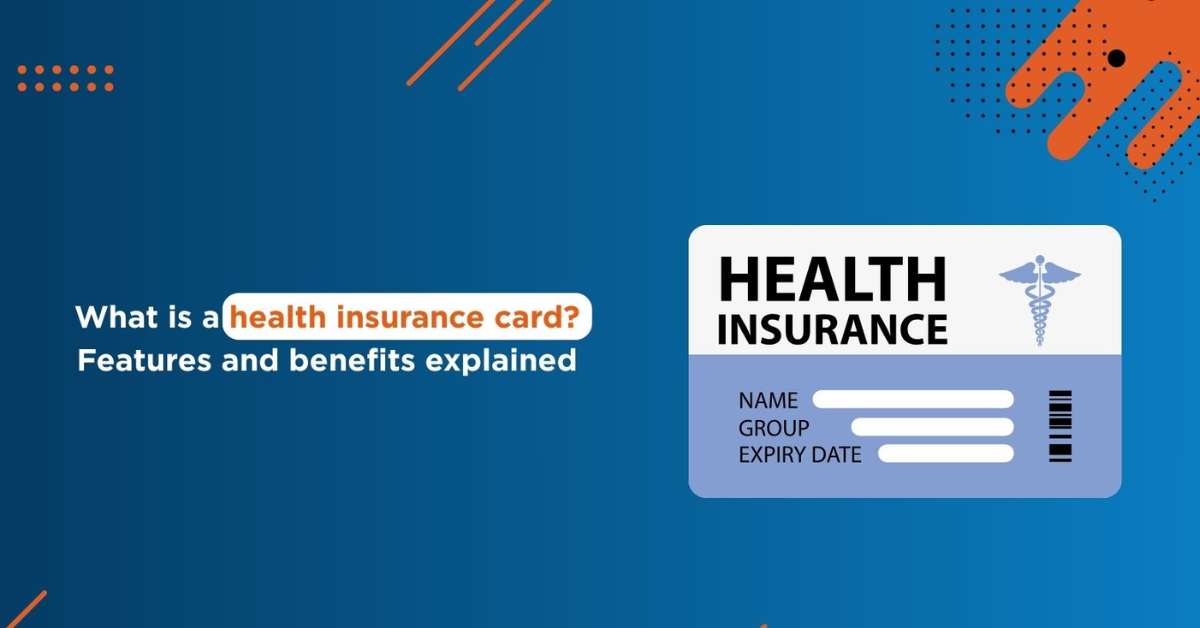
Information Included on a Health Insurance Card
Although card designs may vary among insurance providers, most health insurance cards include similar information.
Common details found on the card include:
- Name of the insured person
- Policy number
- Member identification number
- Insurance company name
- Customer care contact information
- Group policy details (if applicable)
- Policy validity information
These details allow hospitals and insurers to identify policyholders and verify coverage quickly.
How a Health Insurance Card Works
The primary purpose of the card is to establish the policyholder’s identity and insurance status.
When seeking treatment at a hospital, the insured person typically presents the card during registration or admission.
The healthcare provider then uses the card information to:
- Verify insurance coverage
- Confirm policy eligibility
- Check network hospital status
- Initiate claim procedures
- Process cashless treatment requests
This streamlined process helps reduce administrative burdens and allows patients to focus on receiving medical care.
Understanding Cashless Hospitalization
One of the most valuable benefits associated with a health insurance card is access to cashless hospitalization.
Under the cashless treatment system:
- The patient receives treatment at a participating hospital.
- The hospital communicates directly with the insurer.
- Eligible medical expenses are settled according to policy terms.
Instead of paying the full treatment cost upfront and seeking reimbursement later, policyholders can benefit from direct settlement arrangements.
The health insurance card serves as the first step in activating this process.
Key Features of a Health Insurance Card
Policyholder Identification
The card acts as an official identification tool for insurance purposes.
Healthcare providers can quickly confirm the insured person’s details and coverage status.
Unique Member Number
Most health insurance cards include a unique member identification number.
This number allows insurers and hospitals to retrieve policy information efficiently.
Quick Verification
The card helps verify coverage instantly, reducing waiting times during admission and treatment.
Customer Support Access
Many health insurance cards display customer service contact details for immediate assistance.
Digital Compatibility
Modern insurance cards often support digital healthcare systems, making access easier through mobile applications and online platforms.
Benefits of Having a Health Insurance Card
Faster Hospital Admissions
Presenting a health insurance card can accelerate hospital registration and admission procedures.
Hospital staff can access insurance information quickly and begin treatment-related processes without unnecessary delays.
Easier Access to Cashless Treatment
The card helps activate cashless hospitalization services, reducing financial stress during emergencies.
Simplified Claim Procedures
Accurate identification and policy verification contribute to smoother claim submission and settlement.
Reduced Documentation Requirements
The card minimizes paperwork because much of the necessary information is already linked to the policyholder’s account.
Greater Convenience During Emergencies
Medical emergencies often require immediate action.
Having a health insurance card available allows faster coordination between hospitals and insurers.
Physical Health Insurance Cards
Traditional physical cards remain widely used across the healthcare industry.
Advantages of physical cards include:
- Easy portability
- Immediate accessibility
- No dependency on internet connectivity
- Simple presentation during hospital visits
Many policyholders keep their cards in their wallets or personal documents for quick access.
Digital Health Insurance Cards
Digital transformation has introduced electronic versions of health insurance cards.
These digital cards are usually available through:
- Mobile applications
- Customer portals
- Digital wallets
- Insurance management platforms
Benefits of digital cards include:
- Instant accessibility
- Reduced risk of loss
- Easy storage
- Environment-friendly convenience
Many individuals prefer keeping both physical and digital versions for added security.
Health Insurance Cards for Family Coverage
Family health insurance plans often cover multiple members under a single policy.
Health insurance cards help identify covered family members and provide access to healthcare services when needed.
Family coverage may include:
- Spouses
- Children
- Parents
- Dependent family members
Separate identification cards may be issued depending on the insurance provider’s policy structure.
This simplifies healthcare access for every covered member.
Employee Health Insurance Cards
Many employers provide group health insurance as part of employee benefit programs.
Employees covered under group health plans typically receive health insurance cards for policy verification and healthcare access.
Employee insurance cards support:
- Cashless hospitalization
- Medical treatment verification
- Claim processing
- Healthcare administration
These cards play an important role in workplace healthcare benefits.
Situations Where a Health Insurance Card Is Required
Policyholders may need their health insurance card in several situations.
Common examples include:
- Hospital admission
- Emergency treatment
- Cashless hospitalization requests
- Insurance verification
- Customer service inquiries
- Medical claim assistance
Keeping the card accessible helps ensure readiness during unexpected healthcare situations.
What Happens If You Lose Your Health Insurance Card?
Losing a health insurance card can be inconvenient, but it is generally manageable.
Most insurance companies provide replacement options.
Policyholders can usually:
- Request a duplicate card
- Download a digital version
- Access card information online
- Contact customer support for assistance
Reporting the loss promptly helps maintain account security and uninterrupted access to healthcare services.
Common Mistakes Policyholders Make
Many people underestimate the importance of their health insurance card.
Common mistakes include:
Not Carrying the Card
Leaving the card at home may create delays during medical emergencies.
Ignoring Card Information
Some policyholders never review the details printed on their card.
Verifying information periodically helps prevent future issues.
Failing to Update Family Information
Changes in family coverage should be reflected accurately in insurance records.
Losing Access to Digital Copies
Maintaining backup digital versions improves preparedness.
Avoiding these mistakes enhances the overall insurance experience.
Technology and the Future of Health Insurance Cards
Healthcare technology continues to evolve rapidly.
Future health insurance cards may include:
- QR code authentication
- Real-time policy verification
- Digital health record integration
- Biometric identification
- AI-powered healthcare access systems
These innovations are expected to improve convenience, security, and healthcare efficiency.
Digital healthcare ecosystems will likely make insurance services even more accessible in the coming years.
Tips for Managing Your Health Insurance Card
To maximize the benefits of your card:
- Keep it accessible at all times.
- Store digital copies securely.
- Verify information regularly.
- Share emergency access details with family members.
- Carry the card when traveling.
- Review customer support information periodically.
Proper management helps ensure uninterrupted access to healthcare services.
Why Every Policyholder Should Understand Their Health Insurance Card
Many individuals focus heavily on policy documents while overlooking the practical importance of the health insurance card.
However, the card often serves as the primary connection between the policyholder, hospital, and insurance company.
Understanding its purpose helps policyholders:
- Access benefits more efficiently
- Reduce administrative complications
- Improve claim experiences
- Enhance emergency preparedness
- Maximize policy value
A well-informed policyholder is better equipped to navigate healthcare situations confidently.
Conclusion
A health insurance card is far more than a simple identification document. It is an essential healthcare access tool that enables policyholders to verify coverage, receive cashless treatment, simplify hospital admissions, and streamline claim processing. Whether issued in physical or digital form, the card plays a critical role in connecting insured individuals with their healthcare benefits.
As healthcare costs continue to rise and medical services become increasingly digitized, understanding how a health insurance card works has become more important than ever. By keeping the card accessible, reviewing its details regularly, and understanding its functions, policyholders can enjoy a smoother healthcare experience and make the most of their health insurance coverage.
In today’s healthcare environment, a health insurance card is not just a piece of plastic or a digital document—it is a valuable gateway to financial protection, quality medical care, and peace of mind.